
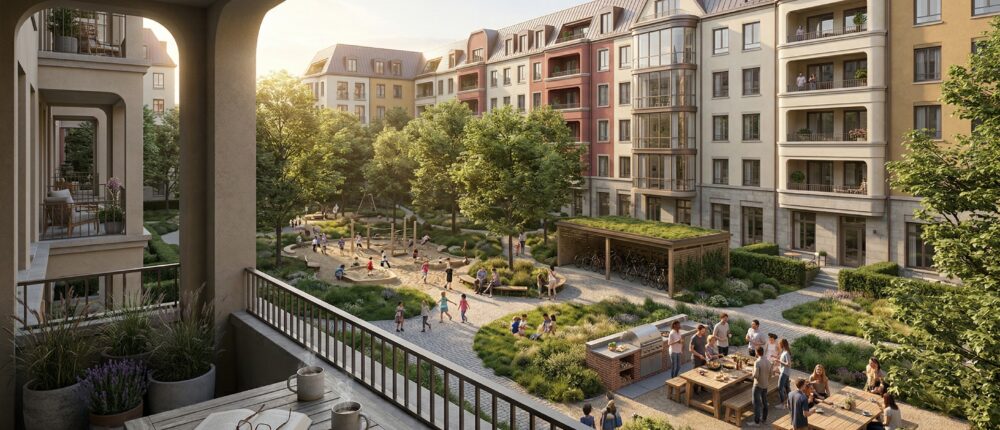
How Courtyard Blocks Promote Social Connection
America is experiencing a loneliness epidemic, as then–Surgeon General Vivek Murthy declared in May 2023. His groundbreaking report offered a six-pillar plan for how America needs to respond in order to turn around the downward trend in Americans’ emotional and mental health crisis due to a lack of meaningful and fulfilling social connection.
The first pillar of Murthy’s action plan is titled “Strengthen Social Infrastructure in Local Communities,” and it addresses the built environment and social offerings in the hyperlocal environment. And the first bullet point could not be any clearer: “Design the built environment to promote social connection.”
This is a perfect place to begin, because there’s no more concrete form of infrastructure than actual concrete. Creating the conditions for connection to occur naturally will always be a more efficient path toward fostering connection than solely relying on individual behavior modification.
Fortunately, we already know about multiple types of housing designs that foster connection and community for their residents.
Unfortunately, the majority of these housing types have been illegal to build for the last 80 years due to outdated and erroneous ideas about the kinds of housing types and living environments that help humans thrive as the social creatures we are. Thankfully, this is starting to change.
A growing wellspring of real estate developers, urbanists, urban designers, urban planners, and city officials is realizing that swift, dramatic improvements to their zoning codes and green-lighting processes are necessary.
And it’s happening.
We’re on the upswing of one of the most exciting building revolutions in our country’s history, and unlike the majority of the housing typologies built between 1945 and 2025, the new slate of community-oriented housing typologies are intentionally designed to support and foster thriving social and emotional health for our country’s populace. Enter: The Courtyard Block.
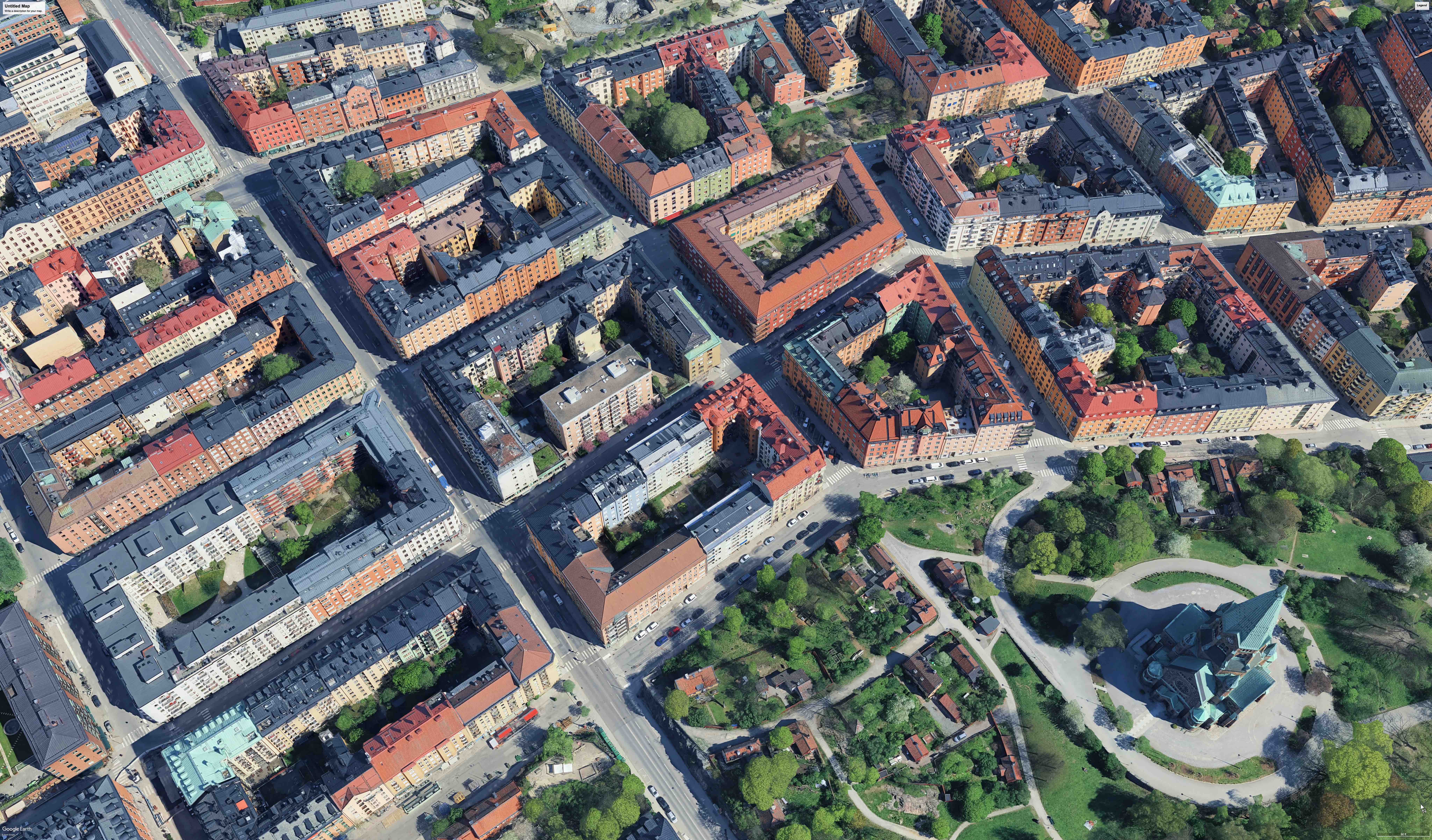
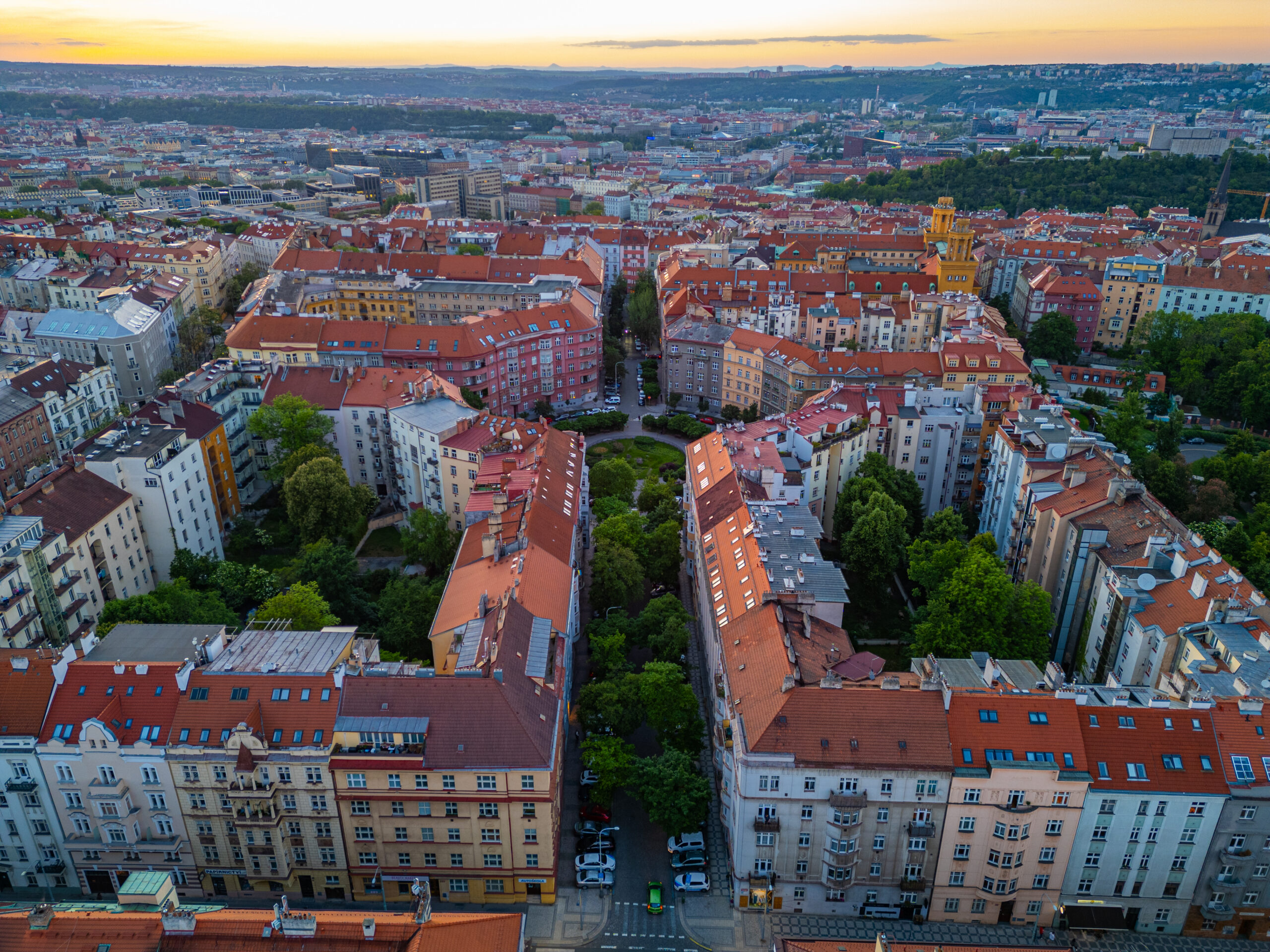 Prague, aerial.
What Courtyard Blocks Are, Where They Come From, and Why the U.S. Doesn’t Have Them Yet
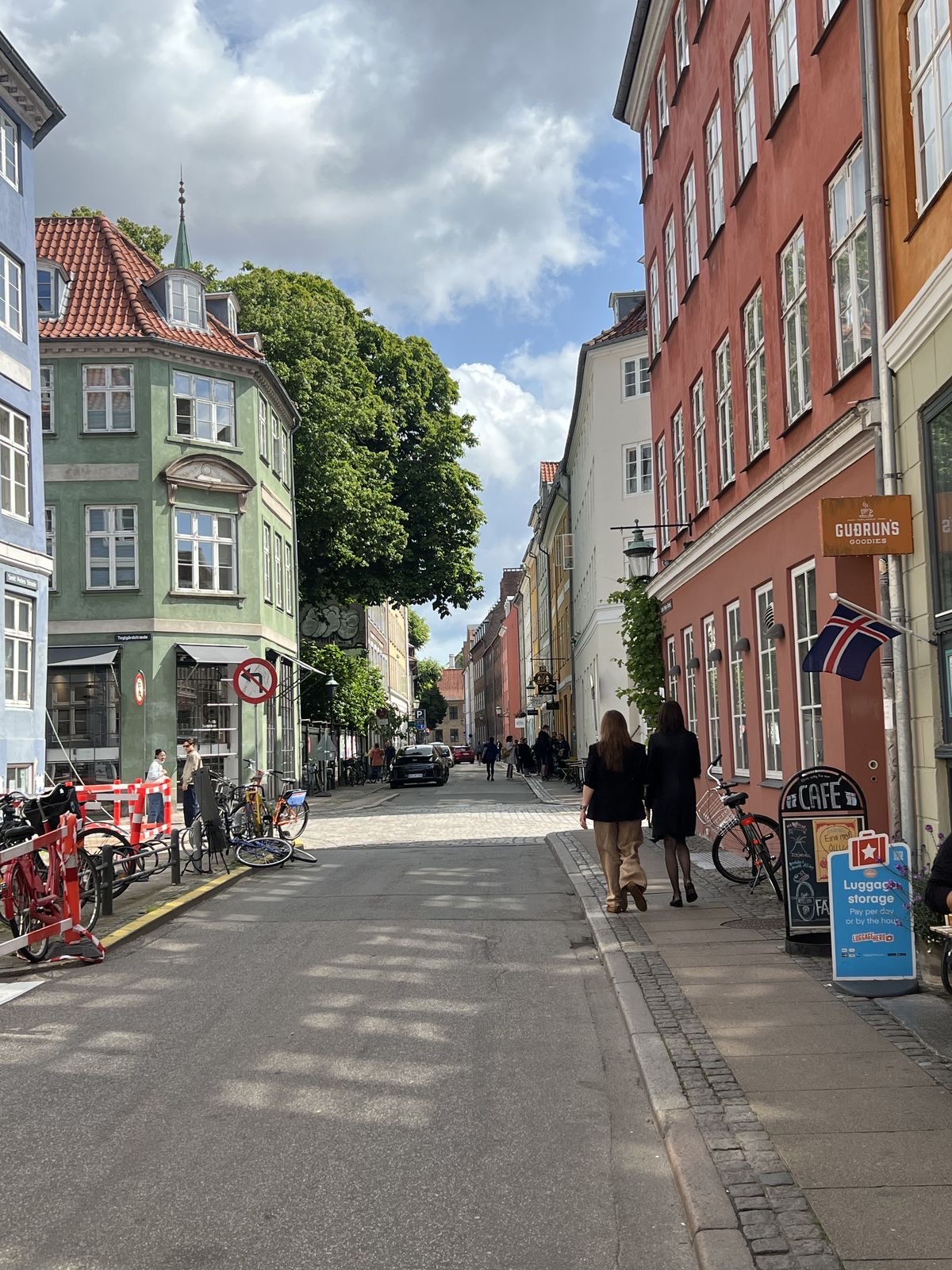
The courtyard block is one of the oldest and most successful urban forms we have. If you’ve walked through Barcelona, Vienna, Berlin, Stockholm, Rome, Prague, Copenhagen, or almost any great European city, you have likely admired courtyard block neighborhoods without necessarily realizing what you were seeing. From the street, you see the continuous building wall: shops, doors, windows, balconies, cornices, stoops, and street life. What you often do not see is the second world inside the block: a protected green courtyard hidden behind the public face of the city.
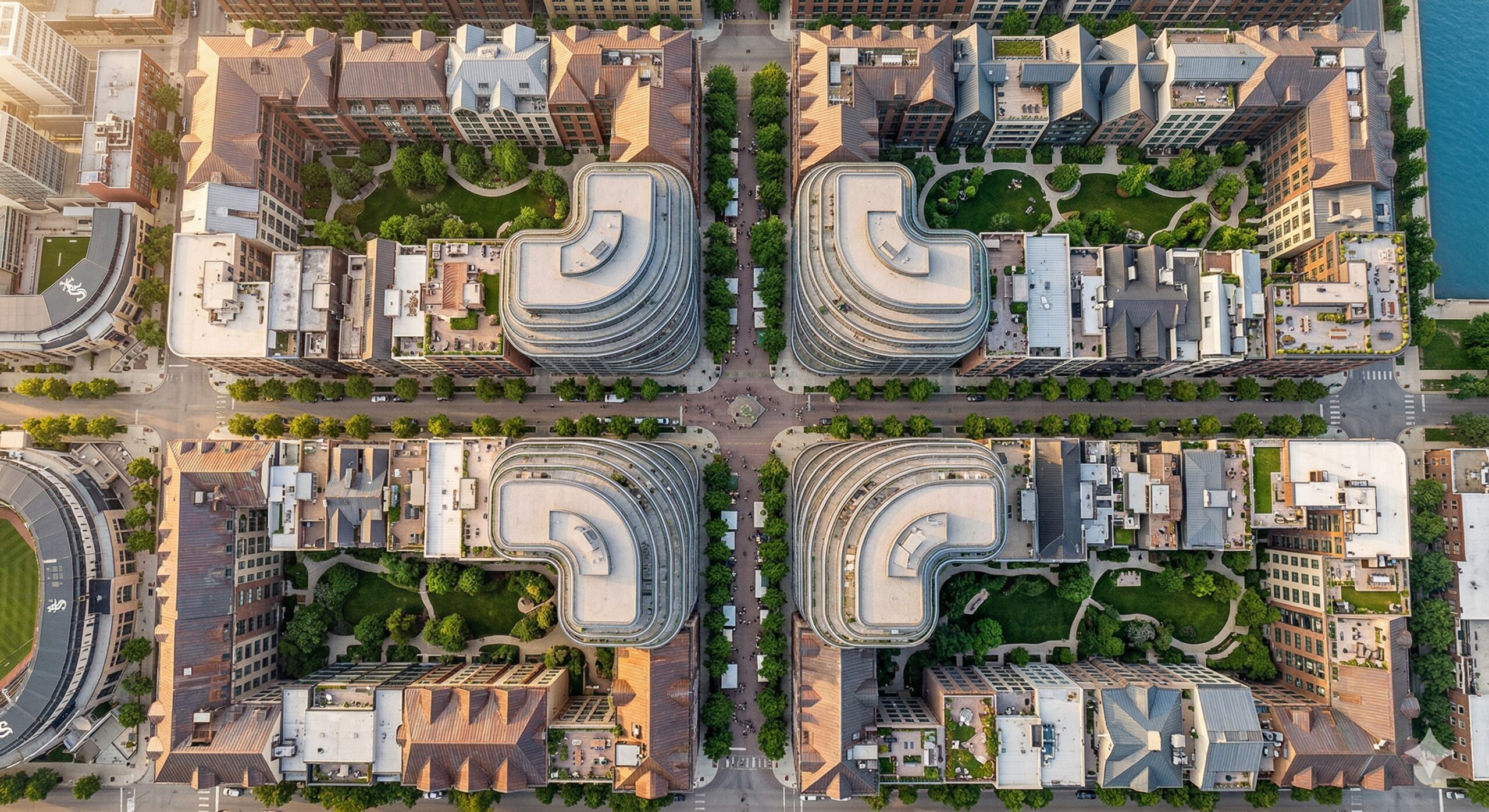
The courtyard block’s ability to create simultaneously strong public and private realms is the genius of its form. Essentially, a courtyard block is a city block where multiple buildings are built wall-to-wall along the block edge, forming a continuous perimeter around a shared interior courtyard. It is not the same thing as a single-courtyard building. A courtyard block may include individual courtyard buildings within the larger composition, but the block itself is an urban form made from many different parts: multiple buildings, multiple parcels, multiple entrances, and often multiple owners, all working together to create one coherent street wall and one protected interior green space.
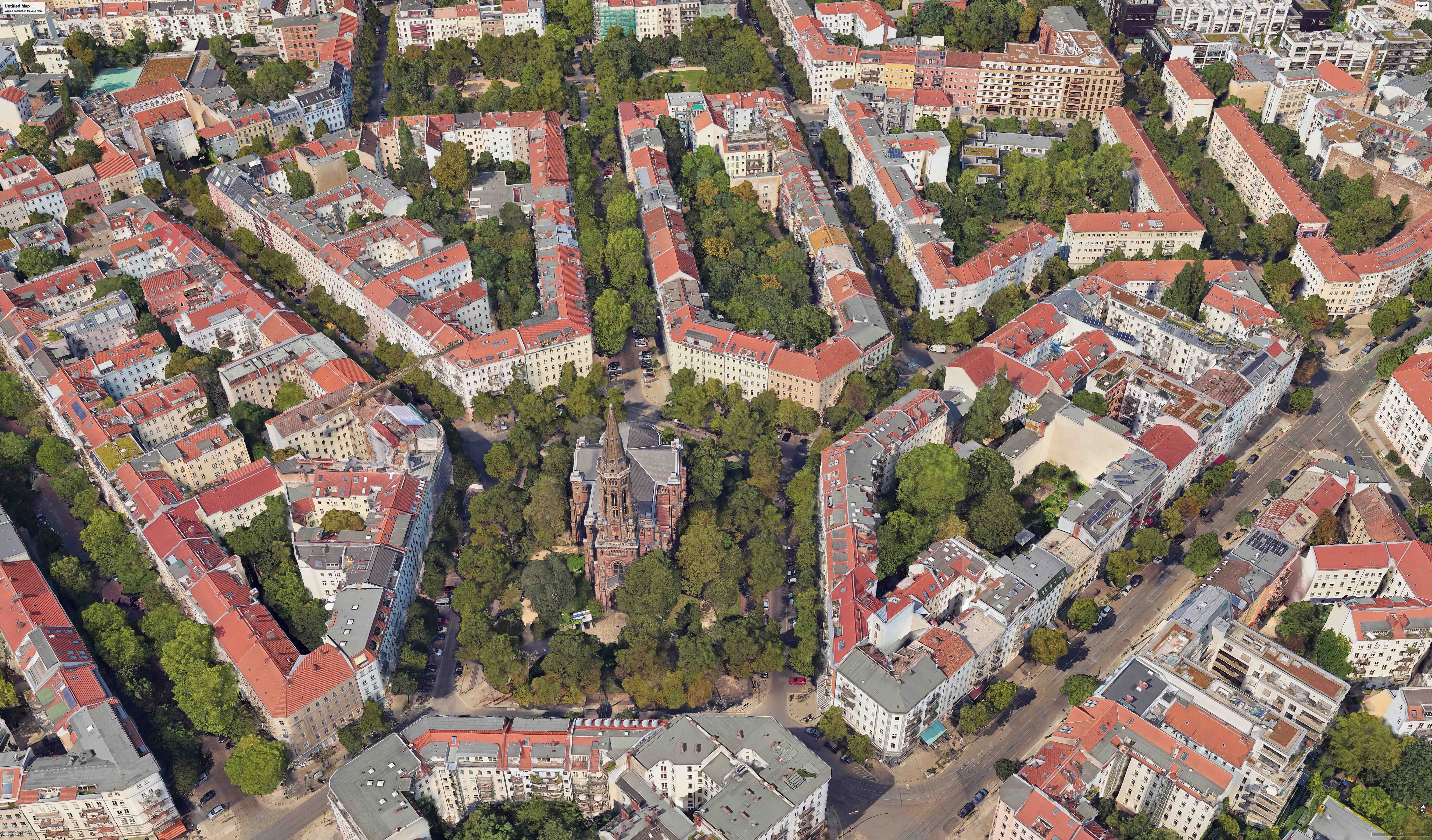
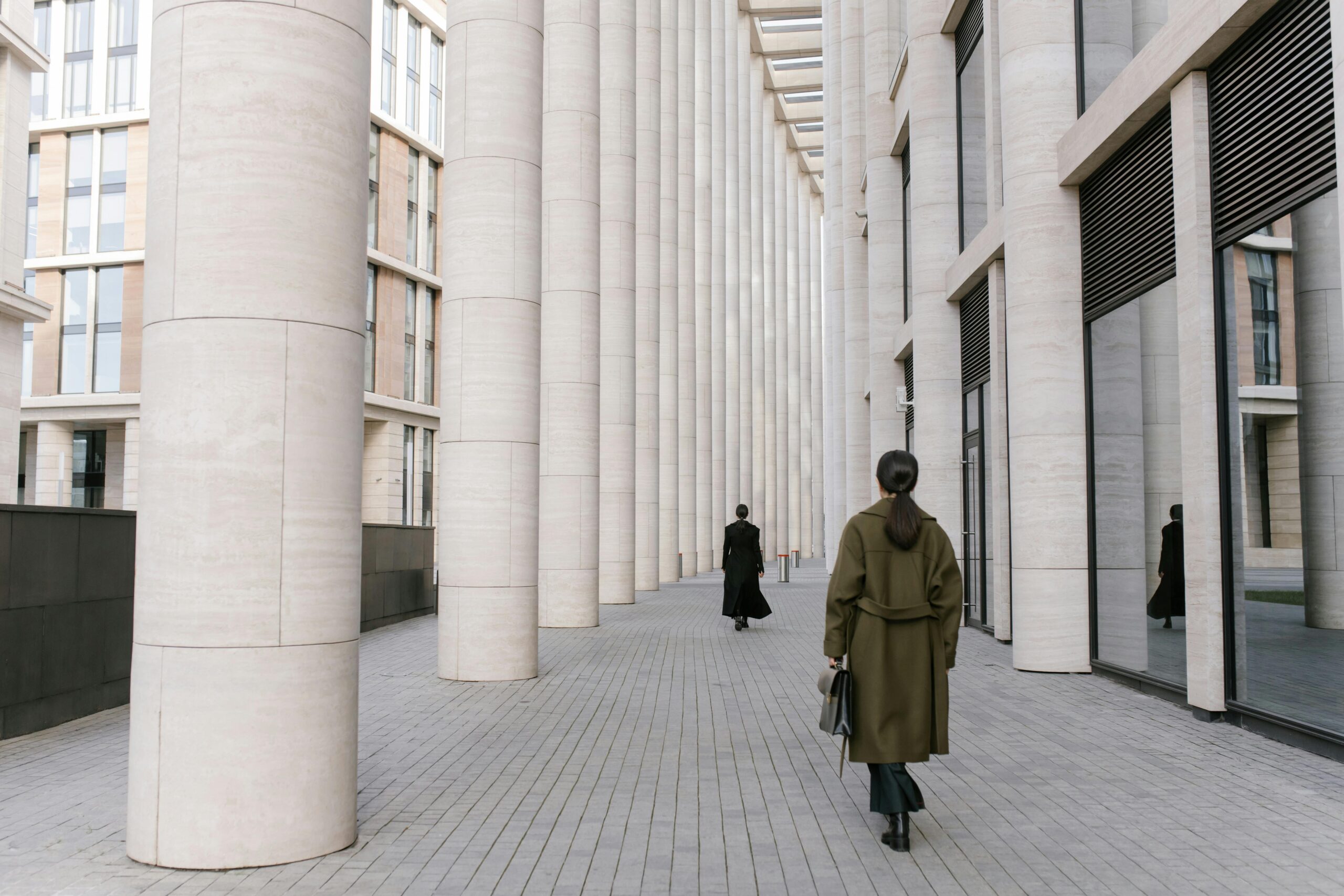
The perimeter geometry has powerful effects on both the public realm and the private realm. Along the street, continuous buildings create a strong edge. They hold the public realm in place. A good street begins to feel like an outdoor room: defined, legible, walkable, safe. Plazas feel like rooms; streets feel like halls. This is the basic spatial grammar of traditional urbanism.
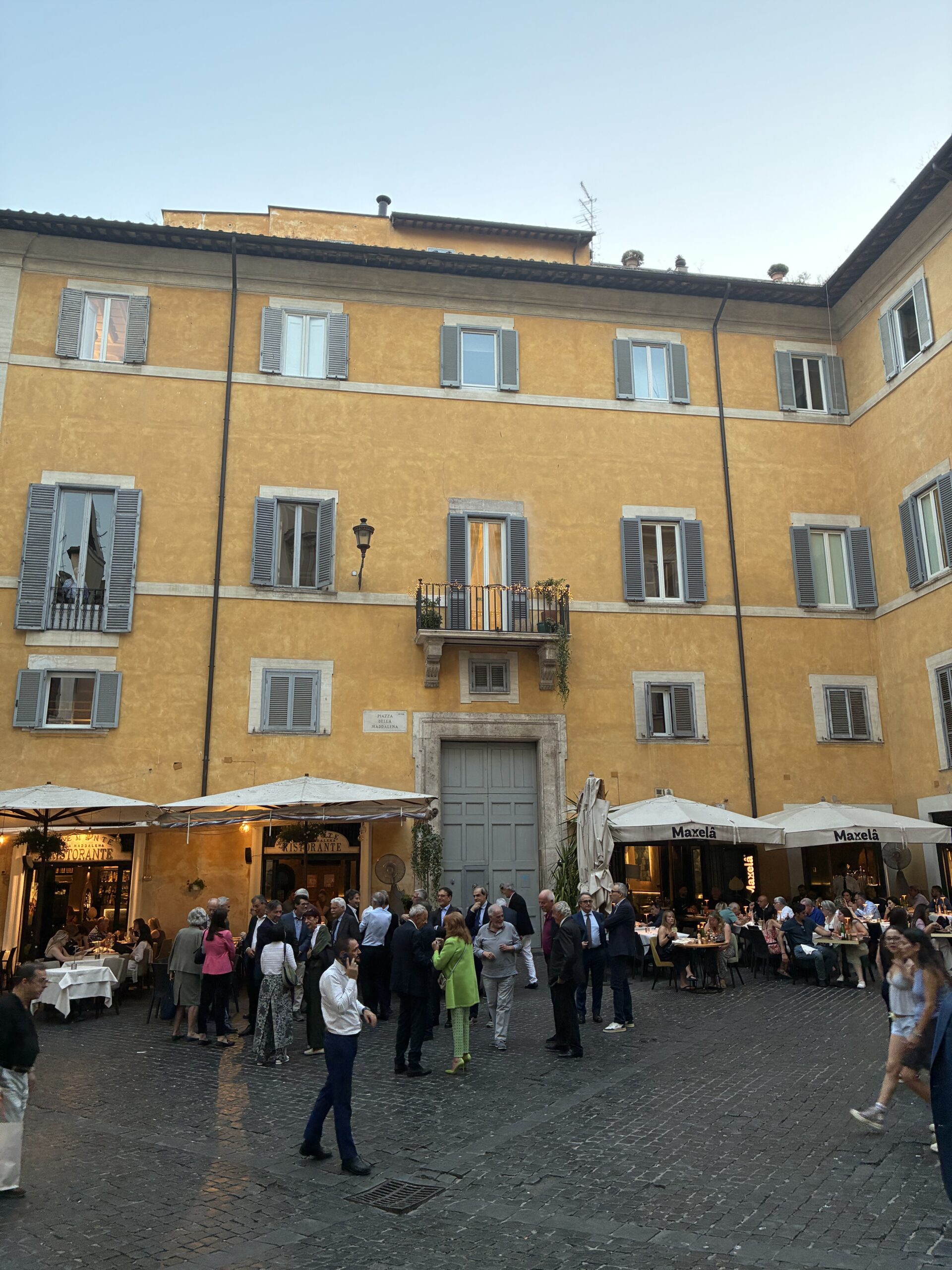
Many American streets have lost that grammar. Extra-wide rights-of-way, deep setbacks, curb cuts, parking aprons, exposed lots, and gaps between buildings dissolve the edge of the public realm. The lack of enclosure and form makes the space feel chaotic and unpleasant.
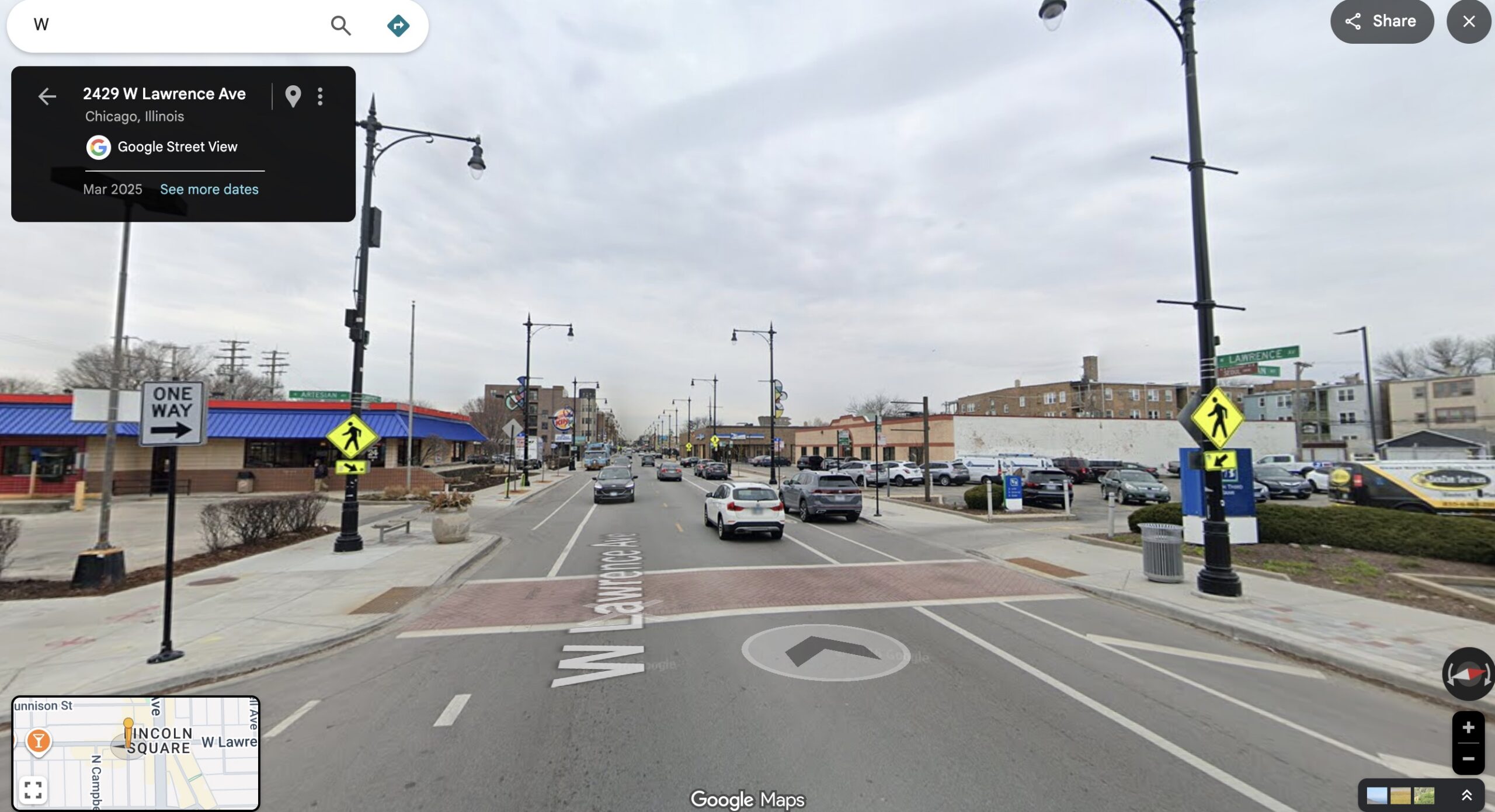
An intersection in Chicago.
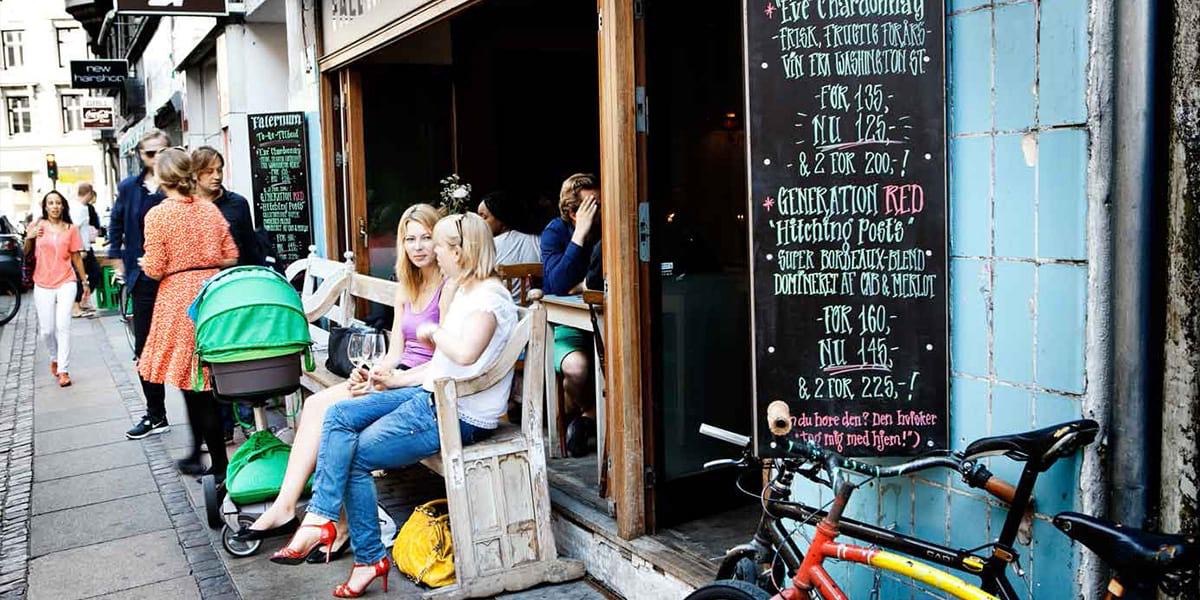
Courtyard blocks solve this by creating two kinds of space at once. The street side is public, active, and urban. Because the buildings are compact, efficient, and typically four to six stories tall, they create enough density to support ground-floor life: shops, cafés, offices, studios, institutional uses, maker spaces, and other neighborhood-serving businesses. These are the “third places” where daily interactions can happen formally and informally. Neighbors run into one another, parents linger after school dropoff, people work, shop, sit, eat, and participate in the ordinary social life of the street. But the public life of the street is balanced by the privacy of the interior courtyard.
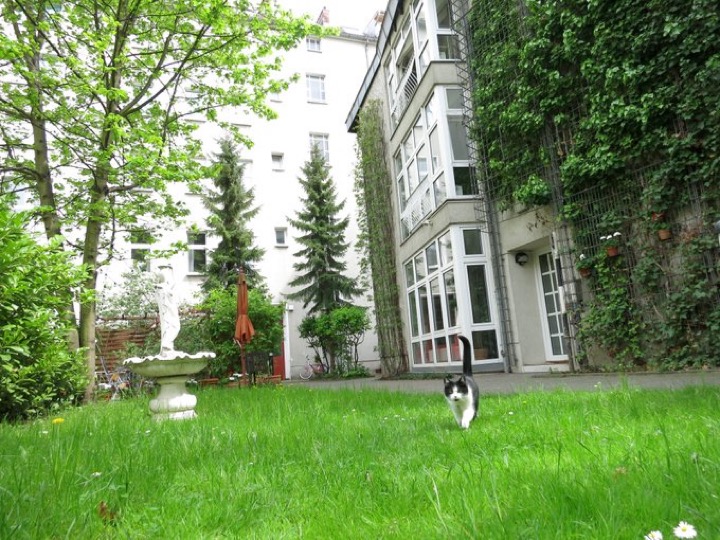
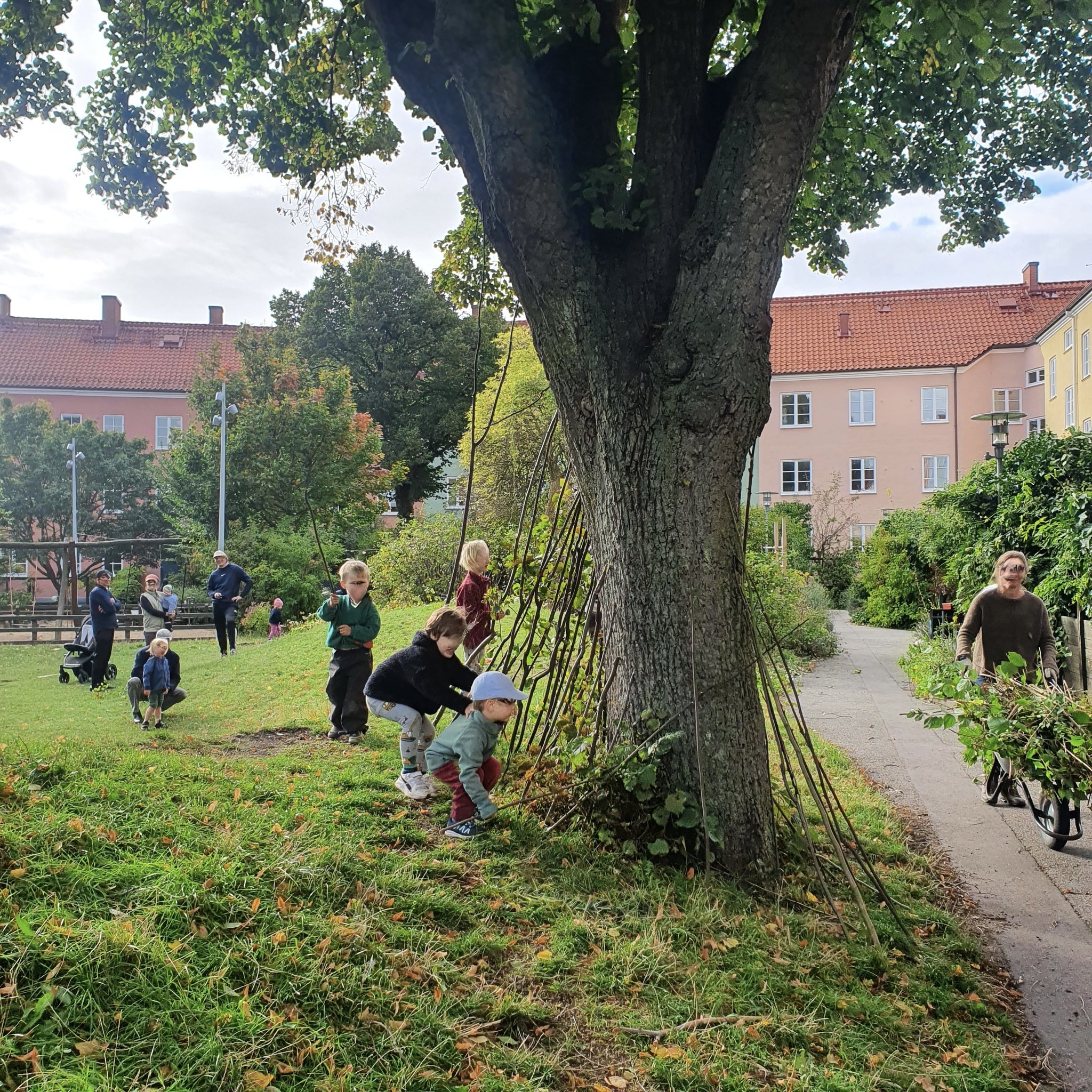
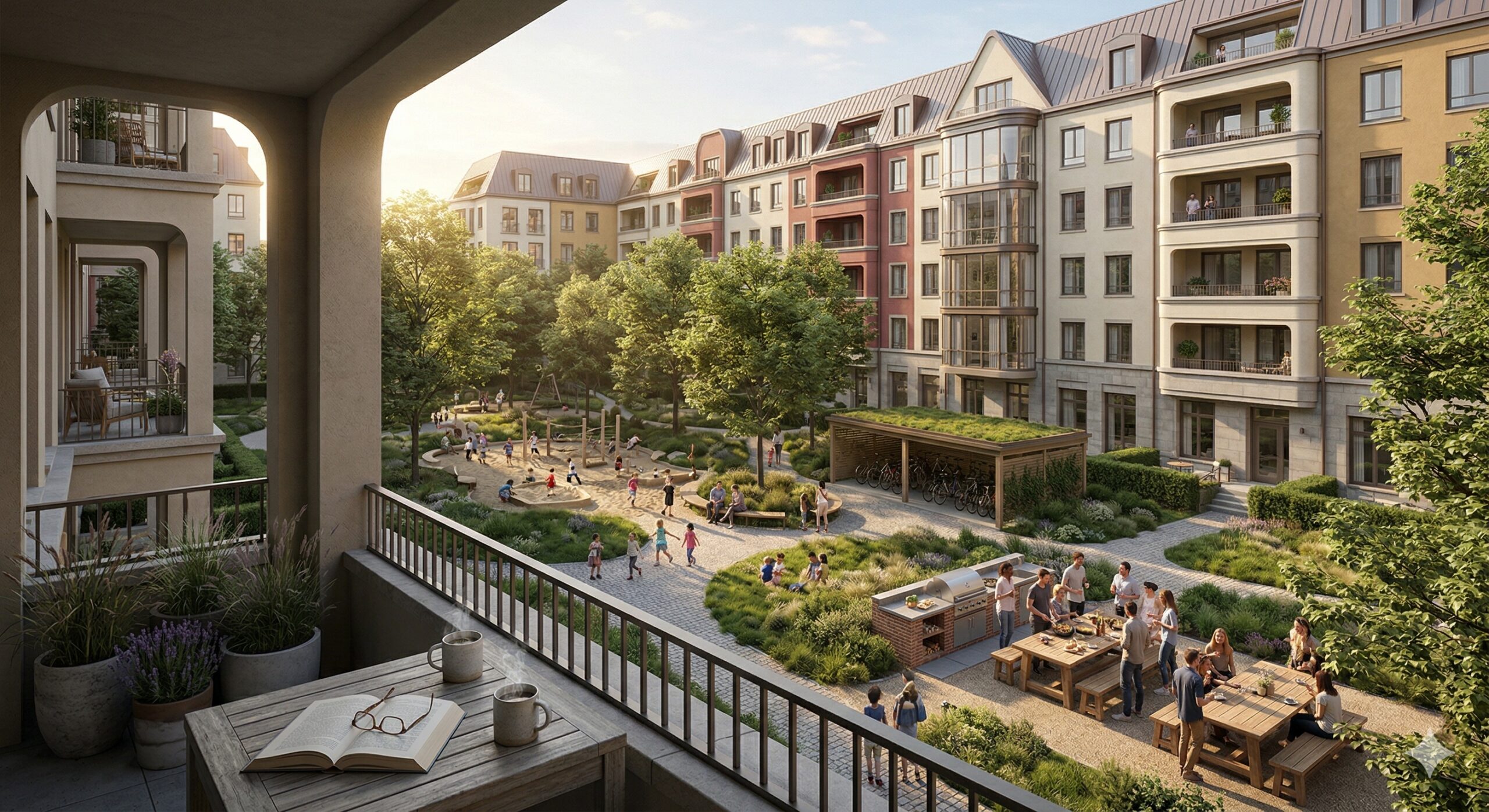
Inside the block, residents enter a quieter, more protected green world. The courtyard creates a privacy gradient: from the public street, to the building entrance, to the stair, to the private apartment, to the balcony, stoop, terrace, or shared garden. This gradient matters. It allows sociability without forced intimacy. Children can play outside without being exposed to traffic. Neighbors can recognize one another, linger, garden, supervise, chat, or retreat. The courtyard is a kind of domestic commons for residents of the block, a way of creating community at the scale of the block within the larger neighborhood and city.
The quality of the buildings matters just as much as the existence of the courtyard. Courtyard block buildings are typically wide and shallow rather than narrow and deep. This proportion changes everything. The long side of the apartment can face light and air, instead of forcing rooms to borrow daylight from the short end of a deep box. Stair-based circulation also allows many apartments to be dual-aspect, with one side facing the public street and the other facing the quiet courtyard. This gives each home both an urban face and a domestic face: front rooms that participate in the street, and bedrooms or family rooms oriented toward the calmer interior of the block.
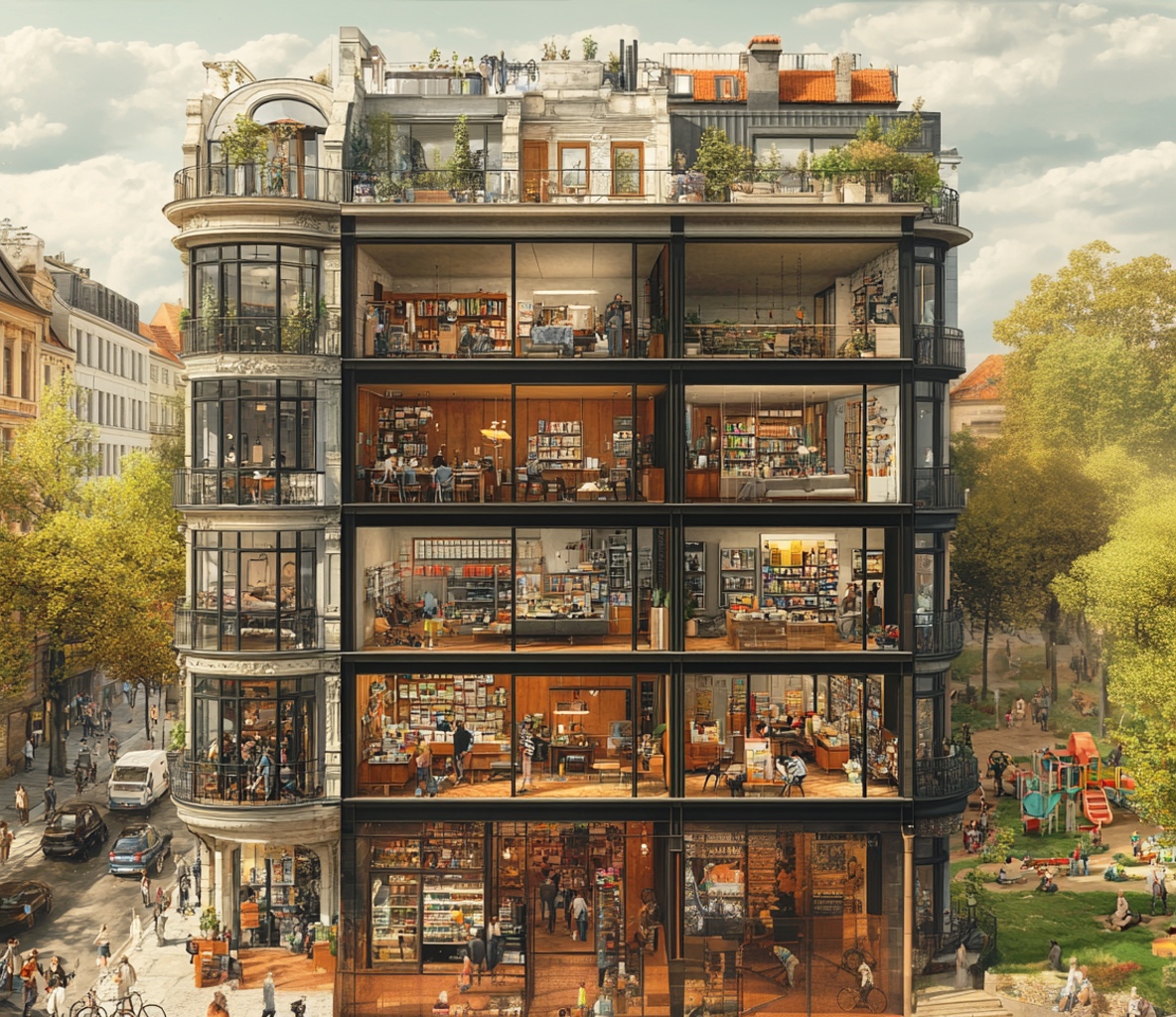
That quiet side is one of the underrated luxuries of courtyard urbanism. It means you can live in the middle of the city and still sleep with a window open. You can have street life without surrendering every room to noise, traffic, and exposure.
These are the qualities that make courtyard blocks viable for long-term living, not just short-term occupancy. They can support renters, owners, families with children, older residents, students, singles, couples, and multigenerational households. A socially complete neighborhood needs that mixture. It needs small apartments and large apartments, rented homes and owned homes, newer buildings and older buildings, market-rate units and subsidized units, places for people arriving, staying, aging, downsizing, and putting down roots.
If This Is Such a Proven Model, Why Did America Never Build Courtyard Blocks at Scale?
The answer to why courtyard blocks don’t exist in the U.S. lies in a long design and regulatory detour. Beginning in the early 20th century, and accelerating after World War II, American zoning and building codes systematically worked against courtyard block geometry. Front setbacks, side setbacks, minimum lot sizes, parking requirements, elevator requirements, and restrictions on single-stair buildings all made the continuous perimeter block harder to build, then functionally impossible in many places.
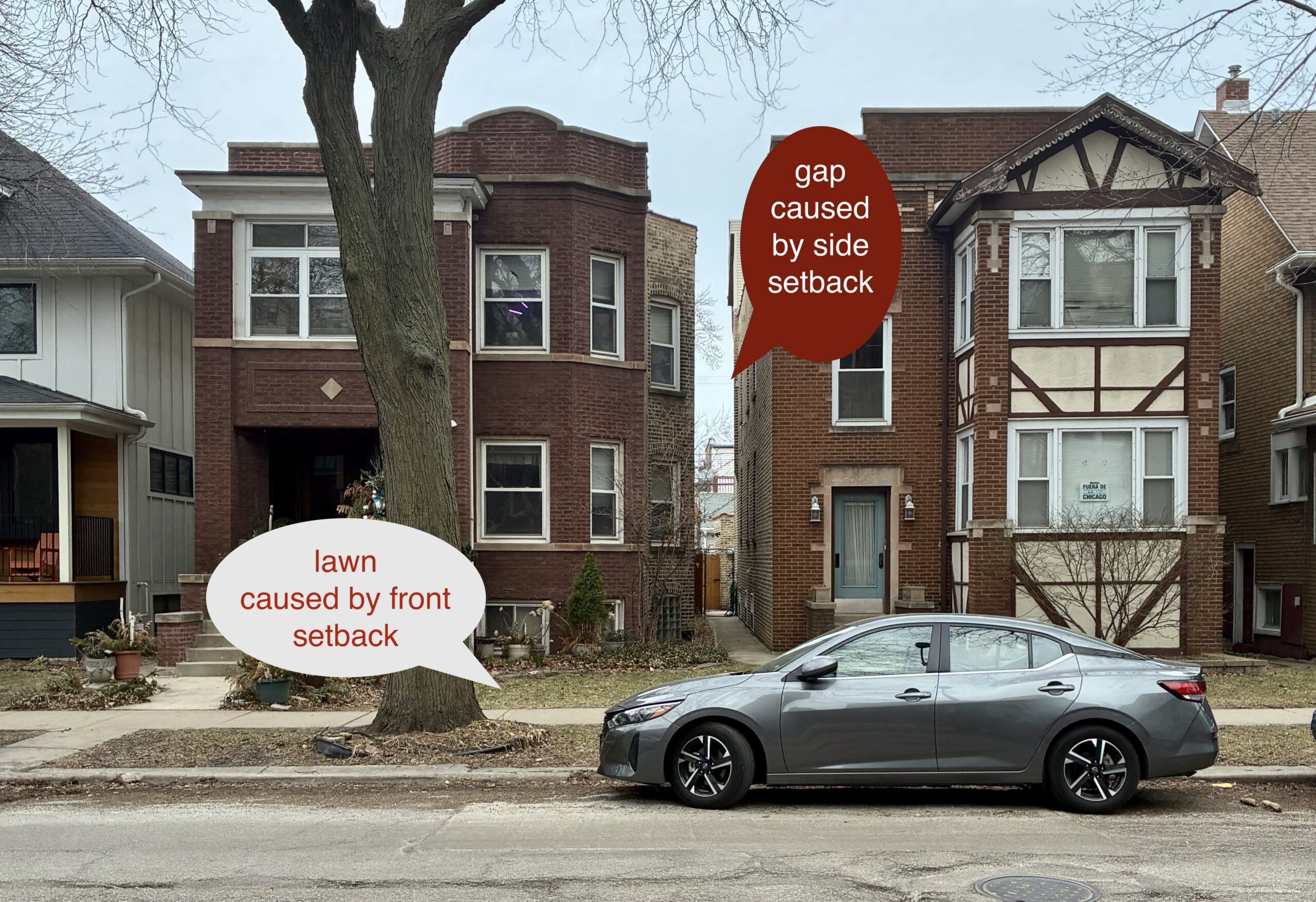
Instead of buildings sharing party walls, they were pulled apart. Instead of forming coherent blocks, they became isolated objects.
This shift was not driven by a superior understanding of how people live. It came from a mix of fire-code anxiety, suburban planning ideology, traffic engineering, parking mandates, and an overcorrection around light and air. American reformers treated density itself as the problem, even though European cities had already shown how to combine density with sunlight, ventilation, courtyards, privacy, and neighborhood life.
The result is that for roughly eight decades, the U.S. has been producing housing that separates households from one another physically, visually, socially, and economically.
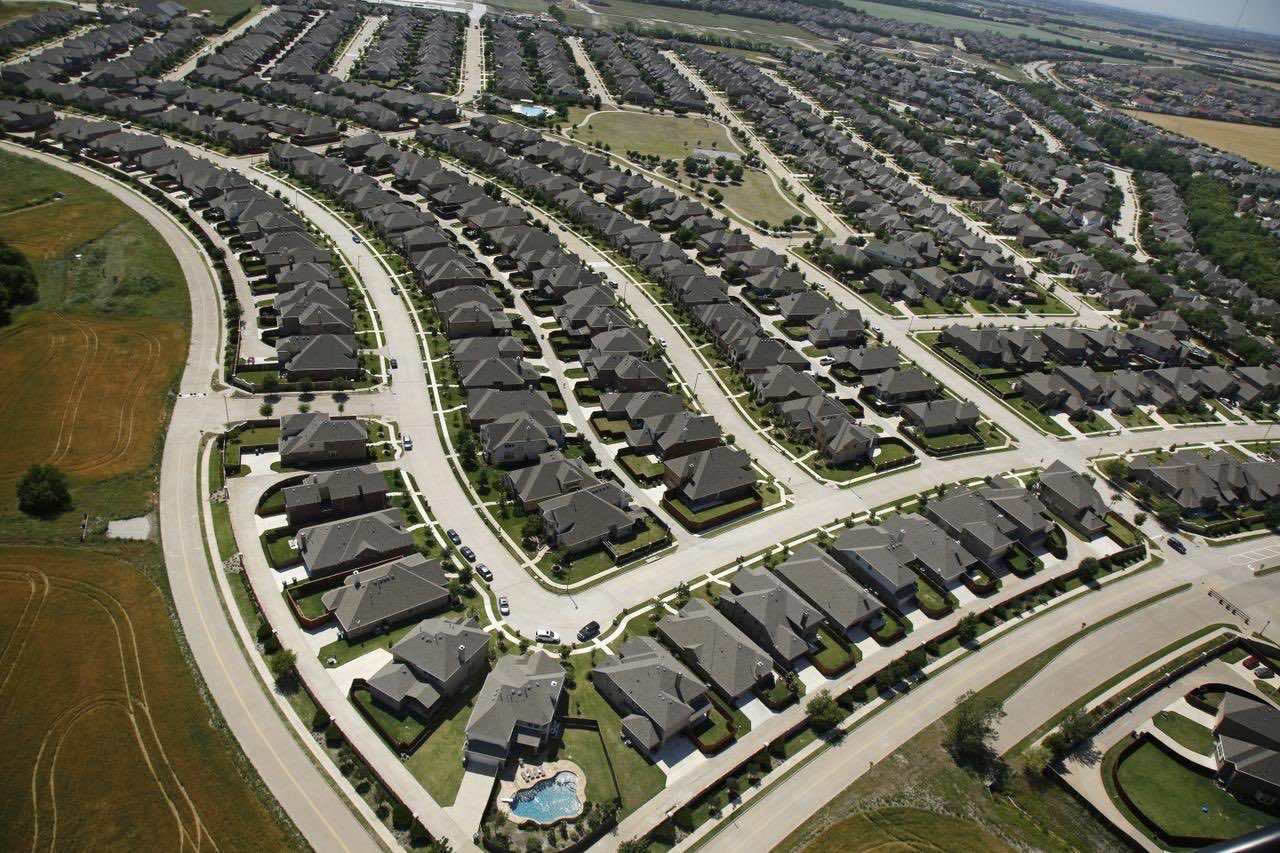
A Dallas suburb.
Now that consensus is beginning to crack: cities are reducing or eliminating parking minimums; single-stair buildings are being reconsidered; setbacks are coming under scrutiny. Party walls, small parcels, shallow buildings, and perimeter blocks are being rediscovered not as nostalgia, but as practical tools.
Taken together, these reforms reopen the possibility of courtyard blocks, not as a historical imitation, but as a durable urban form for contemporary housing. They offer a way to add density without sacrificing family life, outdoor space, architectural variety, affordability, or the simple pleasure of a well-formed street.
Courtyard Blocks and Social Connection
The design of our housing is the design of our lives. The housing we build can either bring us together or push us apart. How our housing is built and situated in space can determine whether the place we live feels alive, inviting, vibrantly connected, and like a place we never want to leave—or, conversely, a place we can’t wait to get away from, always dreaming of living someplace else that will feel less lonely. To adequately respond to and reverse the loneliness epidemic, we must let go of the habit of building isolating home typologies that keep us cooped in separate cells, scrolling our cells.
Researchers at Happy Cities found that “people with greater access to communal amenities in their building were more likely to know their neighbours, be willing to ask them for help when they need it, and feel that they have people they can confide in. They were also less likely to feel lonely.”
Density only results in valuable connection if it’s designed to deliver proximity plus frequency. Research shows that mere proximity can elicit feelings of companionship. Coupled with “casual collisions”—those repeated, spontaneous, face-to-face interactions—our neighborly weak ties can make us happier, help us like each other more, and help us feel like part of a community. The relationships you form with people you see again and again, via many positive, frequent interactions, create a social fabric that wraps itself around you. Even if these casual nearby acquaintances don’t become your BFFs, these interactions foster familiarity, neighborliness, trust, and reciprocity across lines of difference. They build social capital for everyone involved. But none of this can happen without an adequate setting for these high-proximity, high-frequency interactions to occur. The courtyard provides a setting for those casual, frequent interactions to take place.
And courtyards do it differently than standalone multistory apartment buildings that plop a largely unused garden on a rooftop. People don’t spontaneously walk around the roof of their building; it’s out of the way and so has to be a purposeful destination. A courtyard, on the other hand, sits at ground level and is attached to all of its perimeter units.
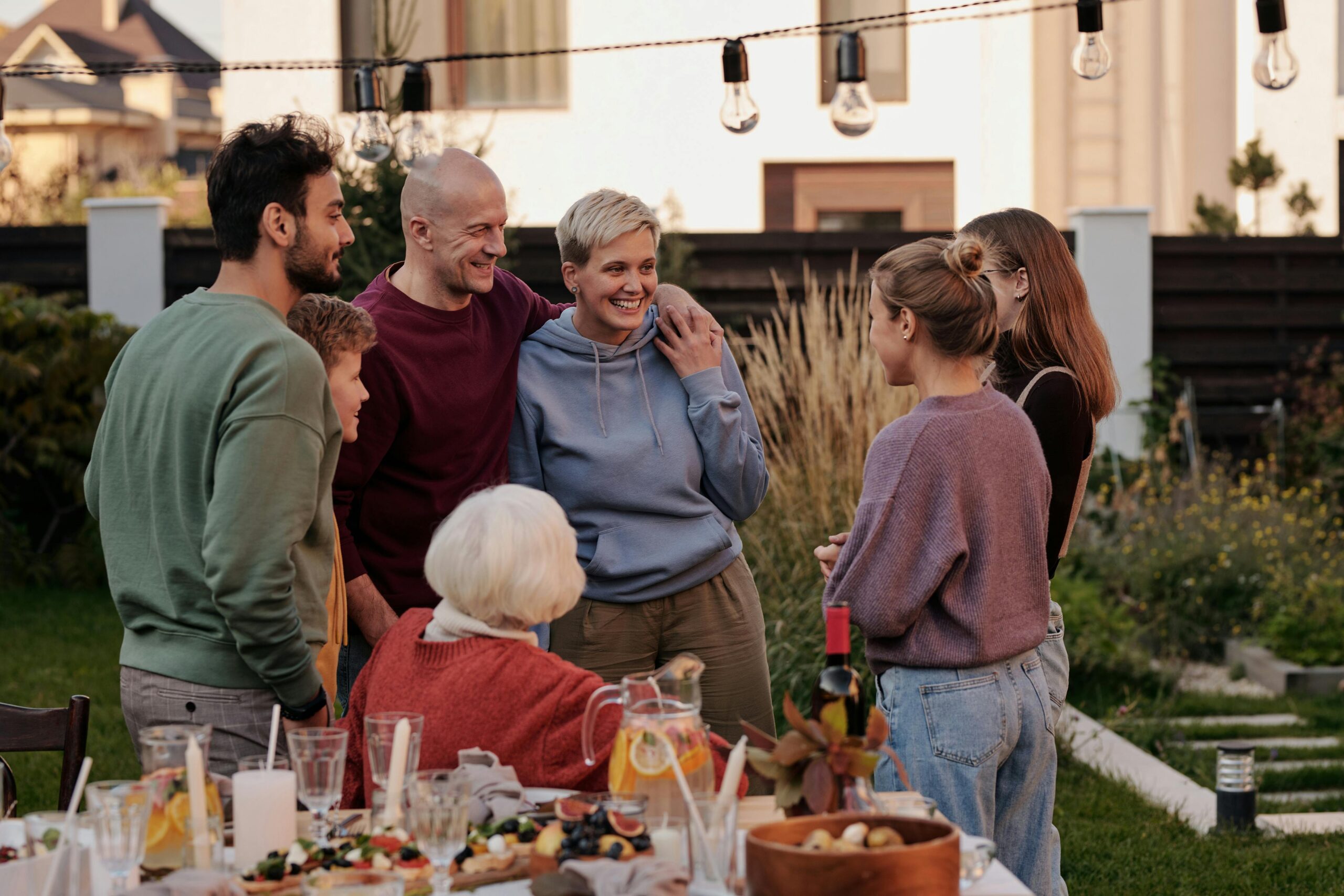
It’s easy to sync up with neighbors when no one needs to go out of their way to do it. And if you want to quickly meet up with a neighbor-buddy, you can just text them, “meet me outside in 10 minutes,” then slip on your sneakers and walk out your sliding glass door or down a couple of flights into the shared green space and the waiting arms of friendship.
The U.S. doesn’t have existing courtyard block residents to interview, but Megan Speir lives in an apartment building that tried to create a shared garden between units. She describes the downsides of its design, when the garden isn’t a contained space for her kids to play: “As my kids grow older, it’s harder. It’s not the safest place for them to ride a bike. The garden itself leads out to a road on either side, and there’s no fence. Anytime you’re going into the street, it’s a risk. It just doesn’t actually feel like the safety or family aspect was really thought through because there’s just not a lot of space for us and it’s not contained on the sides enough.”
Megan’s challenges are likely familiar to many families across America. And Megan’s challenges would be eliminated if she could live in a courtyard block.
What Readers Can Do Next
If courtyard housing is the powerful housing solution and form of social infrastructure that it appears to be, how do we make it happen?
The answer is that this is not a single project or a single developer (although a single project and a single developer is a great place to start!). It is a pattern shift. And pattern shifts happen when multiple actors—residents, professionals, and policymakers—begin pulling in the same direction.
For readers who are not in the housing industry, the most important step is awareness paired with advocacy.
Start to notice the difference between environments that make connection easy and those that make it difficult. Once you see it, it becomes hard to unsee. Share examples of housing that works—whether from Europe, older U.S. neighborhoods, or emerging projects—and connect those examples to local conversations about zoning and development.
At the local level, small regulatory changes can unlock enormous possibilities. Supporting reforms like eliminating parking minimums, allowing zero-lot-line construction, legalizing multifamily housing in more districts, and enabling single-stair buildings directly translates into the ability to build more connected, human-scaled environments. Join a local YIMBY or abundant housing group and push for courtyard blocks within that group.
For Architects, Planners, and Developers, the Opportunity Is More Direct
There is a growing demand—for both economic and social reasons—for housing that works for families in cities. Courtyard blocks offer a way to meet that demand with a product that is efficient to build, adaptable across sites, and differentiated in the market. Courtyard Urbanist is developing architectural plans and a development platform that will help developers aggregate demand, design, and finance new developments in cities nationwide.
For cities and institutions, the role is to create the conditions where this can happen at scale.
That means updating codes to allow the geometry, streamlining approvals for projects that follow it, and in some cases partnering directly to pilot early examples. The first successful projects matter disproportionately: they demonstrate feasibility, reduce perceived risk, and create political momentum.
What’s important to understand is that none of this requires inventing a new way of living. We already know how to build places where people know their neighbors, where children play safely outside within view of home, where daily life includes a layer of casual, repeated interaction. We have centuries of precedent.
The task now is simply to make those places legal, and then to build them again, at scale. And if we do, we won’t just be addressing a housing shortage. We’ll be rebuilding the physical framework that makes friendship, community, and belonging part of everyday life.
All images courtesy of the authors. Dr. Pederson’s substack can be found here. More work from Kat Vellos can be found here.