
Latino Urbanism Is Better Appreciated by Landscape Architects Than by Planners
For the past 30 years, I have been educating urban planners on the way Latinos are transforming the U.S. urban landscape—or, as I call it, Latino Urbanism. I have had some success. But I’m beginning to realize that I may have been targeting the wrong profession. Perhaps I should have been talking to more landscape architects.
Recently I attended and presented at the Landscape Architecture Foundation’s Future Now Summit in Detroit, and the experience was eye-opening. There, I found people thinking about many of the same relationships that have shaped my work for decades: land, culture, ecology, people, memory, and place.
Then, something came along closer to home that reinforced this realization. This fall, Los Angeles will host conferences for both the American Planning Association and the American Society of Landscape Architects. I submitted similar Latino Urbanism tour proposals to both. The planners rejected the idea. The landscape architects embraced it.
This outcome gave me pause to think. The proposed tour would explore the sensory nature of Boyle Heights and East Los Angeles, where Indigenous, Spanish, Mexican, and American approaches to land and settlement have accumulated over centuries. Some of these layers are obvious; others are almost invisible. Together, they create a physical and sensory landscape that distinguishes Latino Los Angeles from much of the rest of the city.
As generations of Latinos settled in Los Angeles, they adapted the city to meet their needs, aspirations, and cultural traditions. Often working with limited resources, residents used everyday do-it-yourself—or rasquache—practices to transform houses, yards, sidewalks, commercial corridors, and public spaces.
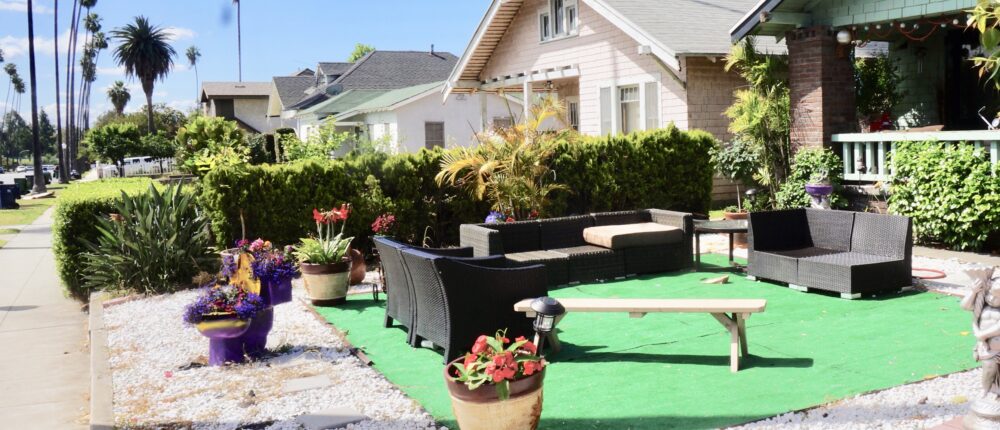
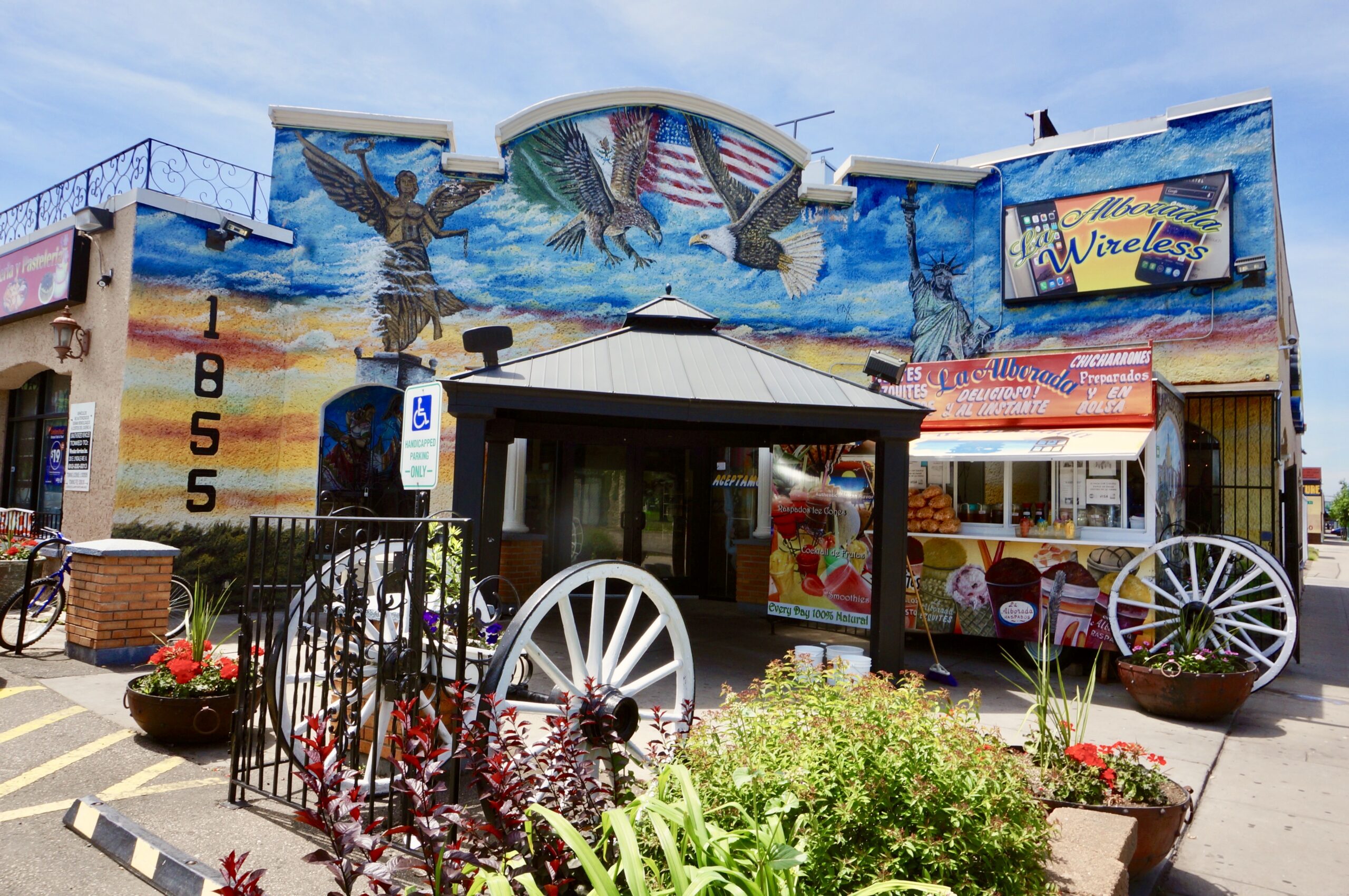
Along commercial streets, murals, hand-painted signs, merchandise, food, music, street vendors, and other props animated the public realm. In residential neighborhoods, front yards became mini-plazas for gathering, decorated with wrought-iron fences, fountains, plants, religious objects, Indigenous imagery, artwork, and personal collections. Individually, these interventions might appear small; collectively, they transform the Los Angeles landscape.
And this is not simply about development. It does not necessarily fit neatly into a zoning code, general plan, or land-use designation. It’s about the relationship between people and place, and how people continually reshape their environment through culture, necessity, memory, creativity, and everyday life.
This may explain why I am increasingly drawn to landscape architecture. Urban planning often focuses on zoning, land use, policy, transportation, housing, and development—all essential elements. But landscape architecture asks another set of questions: It looks at land, people, water, plants, animals, ecology, culture, climate, and community as parts of interconnected living systems. This distinction feels increasingly important.
As we confront climate change, biodiversity loss, environmental degradation, extreme heat, and growing social inequities, we cannot solve these problems through zoning and development regulations alone. We have to reconsider our relationship with the land itself and create places that support both ecological and human wellbeing.
Latino Urbanism has always understood this relationship, even if we have not always described it in those terms. A front yard is not simply a setback. It can be a garden, social space, ecological space, cultural expression, a gathering place, an extension of the home.
A commercial street is not simply a transportation corridor or collection of parcels. It’s a sensory environment shaped by people, food, signs, sounds, smells, plants, vendors, storefronts, sidewalks, and social interaction.
A neighborhood is not simply a collection of zoning designations, but a living landscape. For decades, I have tried to convince planners to recognize these informal, sensory, cultural dimensions of Latino communities. I wanted planning to better understand what residents were already creating with their hands, their memories, their traditions, and the limited resources available to them.
Now I realize I may have been speaking the wrong professional language. Landscape architects already have a vocabulary for many of these relationships. They understand that human settlements are not separate from nature, and that culture and ecology are embedded in the physical landscape.
Perhaps Latino Urbanism has always been landscape architecture, we just never called it that. After three decades of working primarily with planners, I am beginning to see landscape architects as some of the most important allies for the next chapter of my work—not because planning no longer matters, but because creating sustainable, equitable, culturally meaningful, and resilient communities requires us to think beyond development. It requires us to understand the city as a living landscape.
Featured image: Alhambra, CA. All photos courtesy of the author.