
What Japan Gets Right (A Partial List)
I’m not going to pretend that urbanism in Japan hasn’t been celebrated a million times over. But as I contemplate California, it’s clear that we haven’t learned any of the manifest lessons the island nation offers. So I would be remiss not to share a few lessons from my recent trip to Tokyo and Kyoto.
It’s important to note that the two cities operate at very different scales. Tokyo is not as tall as New York City, but it is nearly as dense, and its energy makes the heart of Manhattan feel like an Applebee’s at midnight. Tokyo is a serious, serious city. Kyoto operates on a smaller scale, a Philadelphia or Boston to Tokyo’s New York.
Many commonplace attributes of Japanese cities would be heretical according to orthodox American planning. Yet I cannot express how much more pleasant Japan is, block for block, than the United States. There is a better way.
No Wasted Space
In Kyoto, even though many buildings are only two stories tall, they are packed together to achieve an impressive density. This means no setbacks, no side yards, and no front yards.
Woonerfs
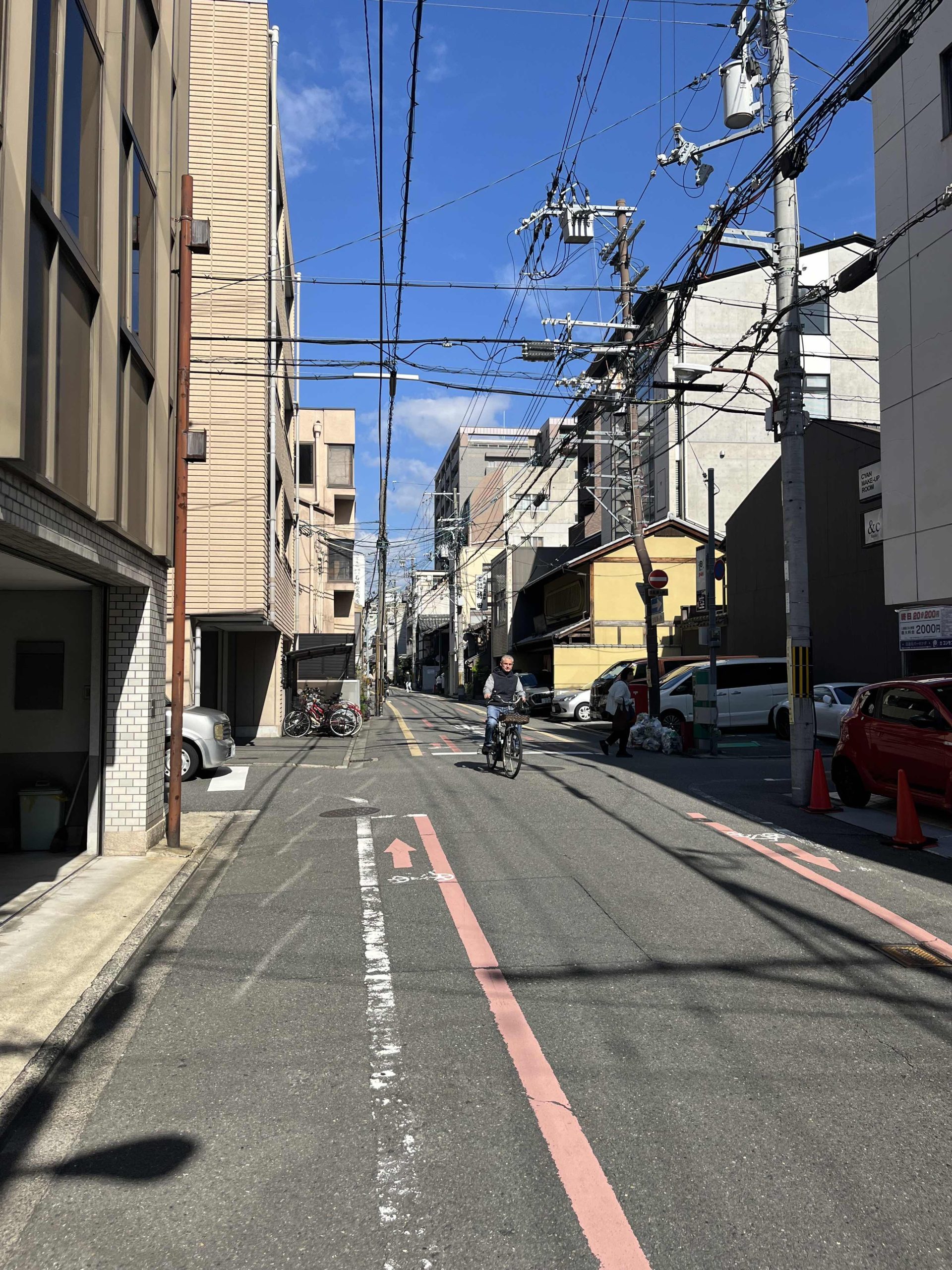
Much of Kyoto is on a perfect street grid. Major boulevards—which carry the familiar mix of cars, buses, and commercial vehicles—are spaced every few hundred meters. Almost all of the streets between them are, to use the Dutch term, woonerfs. Pedestrians, cyclists, and cars share street space, and essentially there are no sidewalks. Cars drive slowly; everyone else can safely travel on their own power. These spaces may not necessarily be attractive (see the photo below), but they are eminently functional and humane.
Silence
There is perhaps no place on Earth where 1.46-million people make less noise than Kyoto. The city is nearly silent: cars don’t honk; garbage trucks don’t toss bins around; helicopters don’t chop the sky; cars and motorcycles don’t announce themselves with tinnitus-inducing roars. The city is only as loud as it needs to be, and not a decibel more.
Indoors, it’s much the same. Ambient music does not exist, or is turned down low. And yet, somehow, people go to restaurants, avoid car crashes, and conduct business just fine. Almost nobody talks on the phone in public—and sharing your conversation with the world via speakerphone would be unthinkable.
Imagine how many more brain cells the average Japanese person can dedicate to work, relationships, or contemplation when they aren’t being assaulted by horns, advertisements, background music, and the tinny arrogance of cellphone chatter.
Dining Out
Japanese apartments being what they are, they have tiny kitchens. The compensation is that the entire city is a dining room. As far as I can tell, residents of Japanese cities rarely eat at home. How could they? There are no supermarkets, at least none that resembles Kroger, Safeway, or any other American mega-grocery. Instead, Japanese cities subsist—or, rather, thrive—on hundreds of thousands of tiny restaurants. The Tokyo area reportedly has 190,000 restaurants. That’s equal to the human population of a small city.
The typical restaurant in Japan doesn’t take up half a city block and serve 150 diners at a time. Rather, it’s hardly larger than your kitchen, offering perhaps 10 or 12 seats. The chef works with minimal equipment— maybe a skillet and a stovetop, or, if they focus on sushi, nothing more than a cutting board—and doubles as your server and cashier. These are tiny, intimate operations that take the place of home cooking.
The tangential benefit, besides great cuisine, is a great cityscape. All these little restaurants add to the walkability and visual appeal of Japanese streets. Food has always been central to the urban experience, and nowhere is this truth more evident than in Japan.
Twee on Wheels
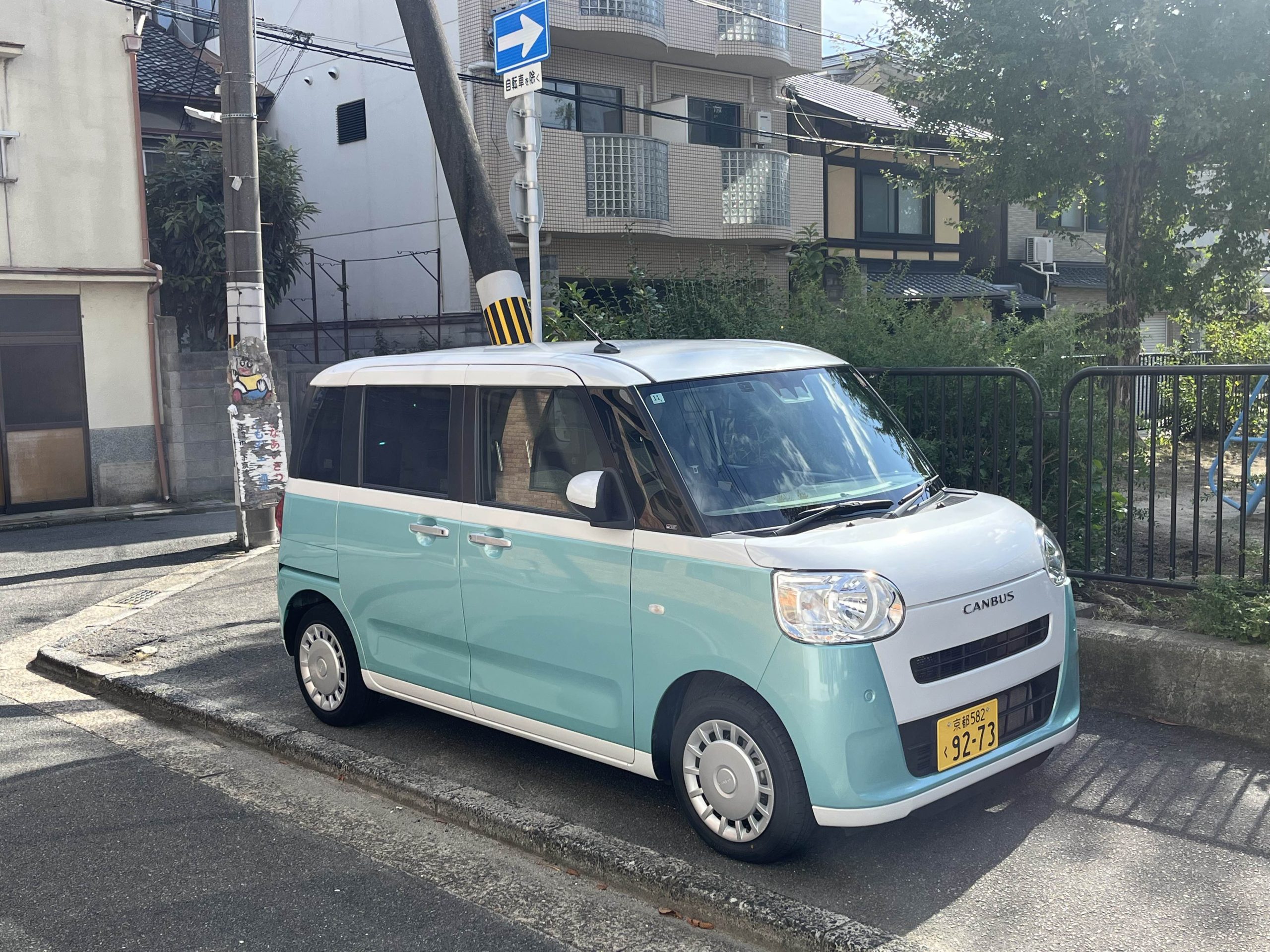
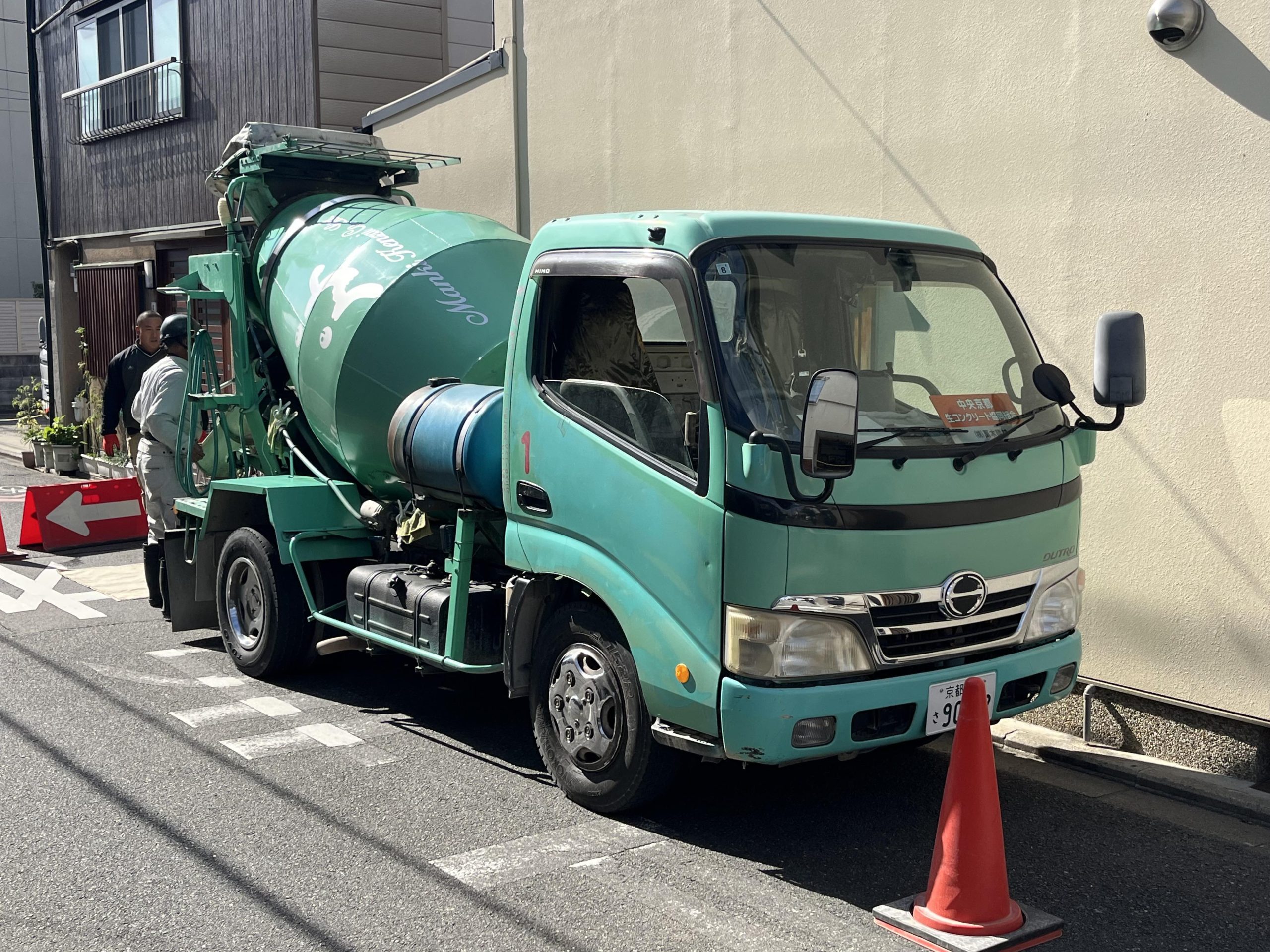
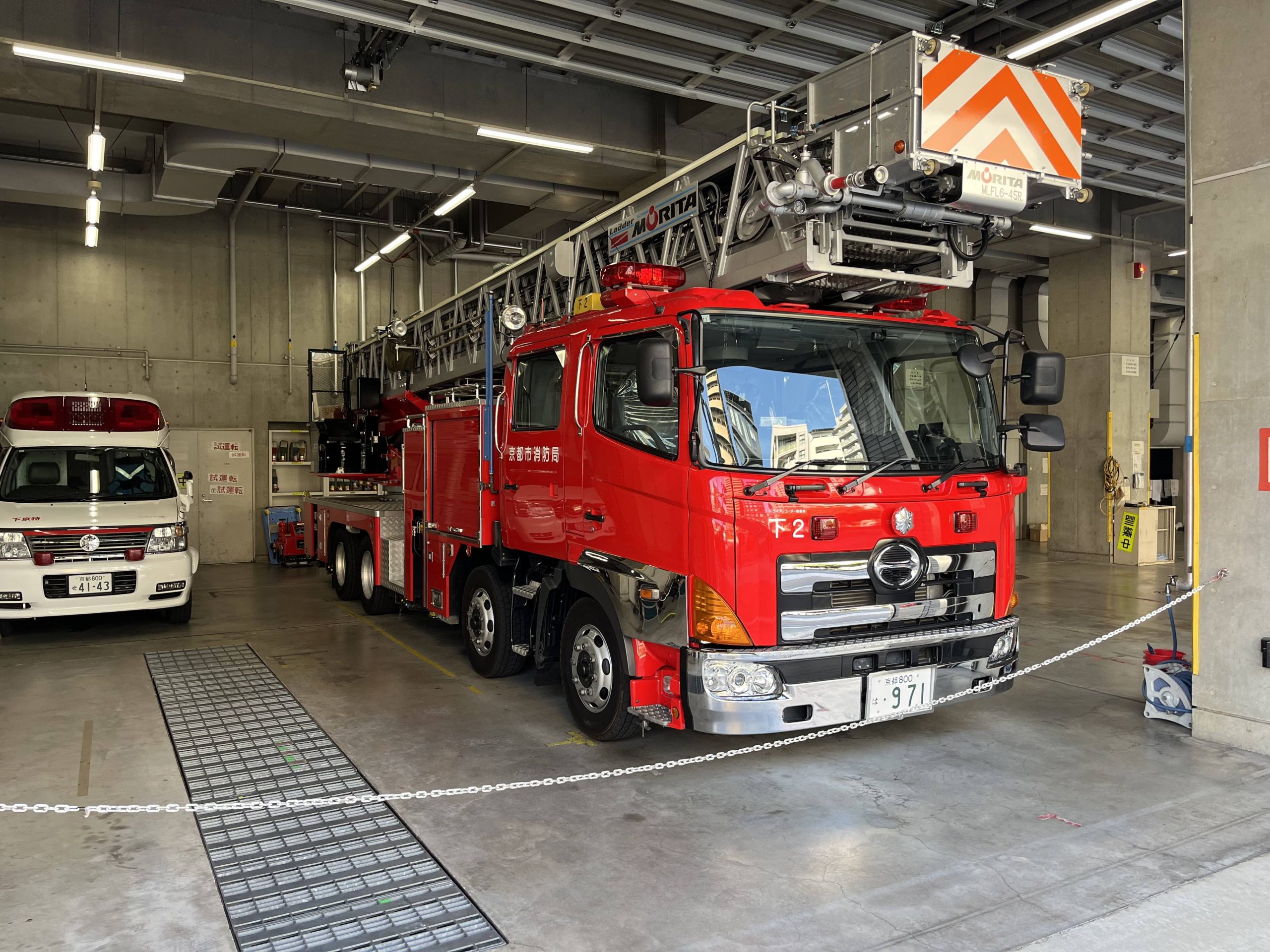
I never thought I’d say a garbage truck is cute, but here we are. In the U.S., streets have become ever inflated, unpleasant, and unsafe, in large part to accommodate massive vehicles, often at the behest of fire departments. Japan does the opposite: it shrinks vehicles to accommodate its streets.
Tea-cup garbage trucks, cement trucks that look like baby elephants, snub-nosed fire trucks, and untold thousands of micro-vans perform the work of the city while demanding precious little pavement and airspace. Beyond their adorableness, all of them feel safer, more efficient, and more humane than the sprinter cans, outsized pickup trucks, tractor-trailers, and other dreadnoughts that ply American roadways.
Trash
Try throwing away a coffee cup or food wrapper in Japan. It’s almost impossible. In the U.S., the streets would be strewn with refuse. Indeed, we already have plenty of public trash cans, and our streets look awful. Imagine if there were no trash cans at all? Vehicles would need cow-catchers just to get down the block. Japanese streets, however, are immaculate. How do they achieve this miracle? Personal responsibility. People hang on to their trash and deposit it when appropriate.
These practices are partly venerable, but they are also new. The 1995 sarin gas attacks on the Tokyo subway prompted the removal of many trash cans throughout the country. And what happened? People adapted, for the greater good. A common ethic is as much a part of a city as buildings and streets are.
Incidental Spirituality
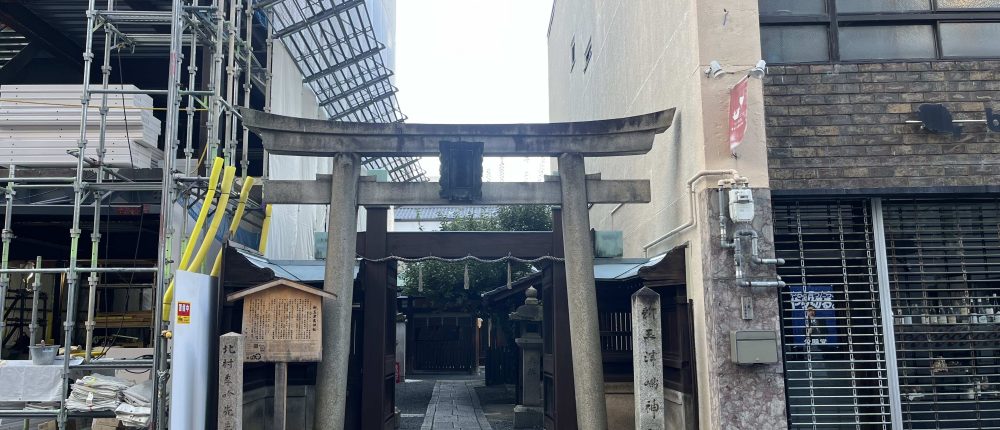
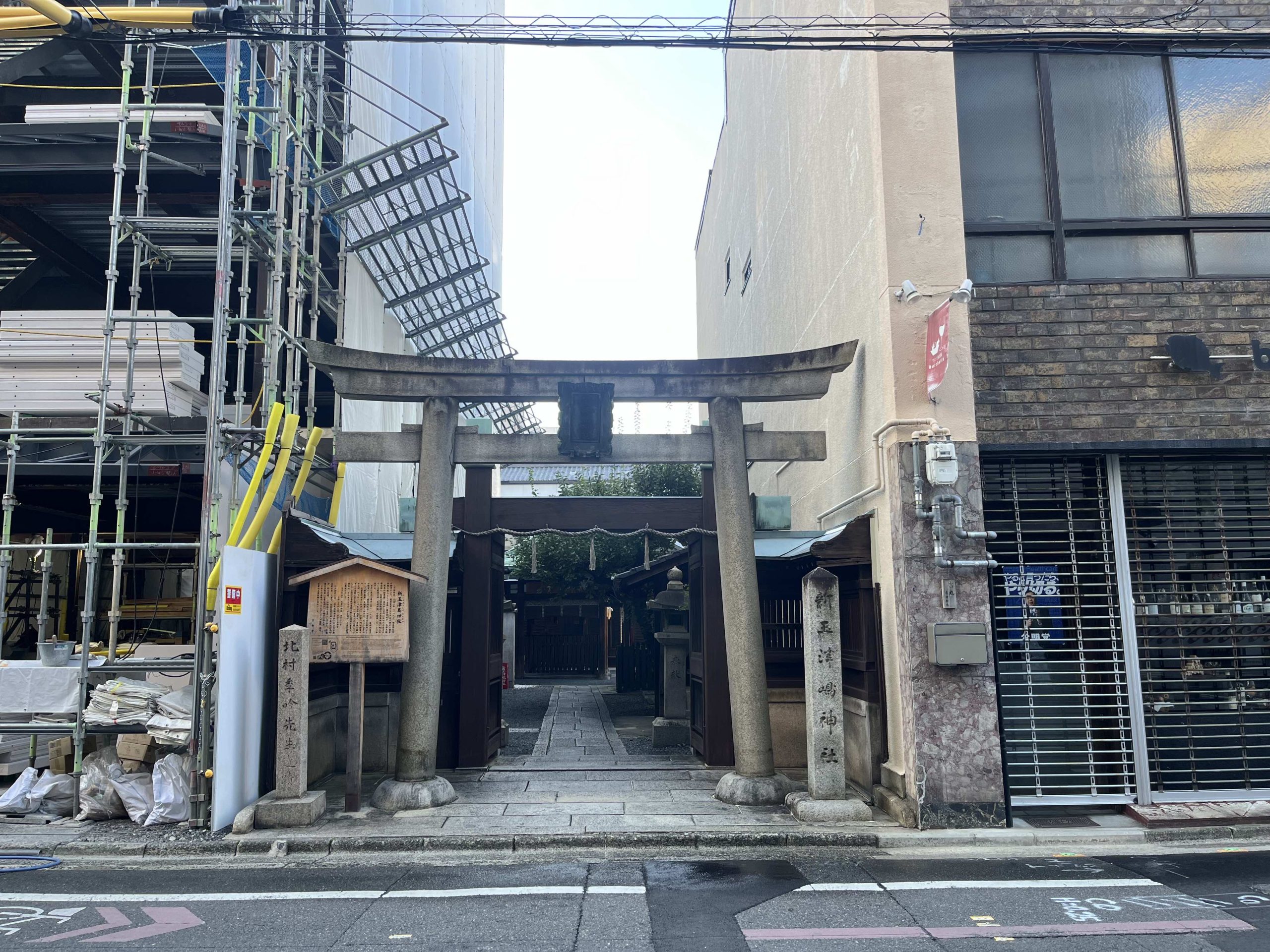
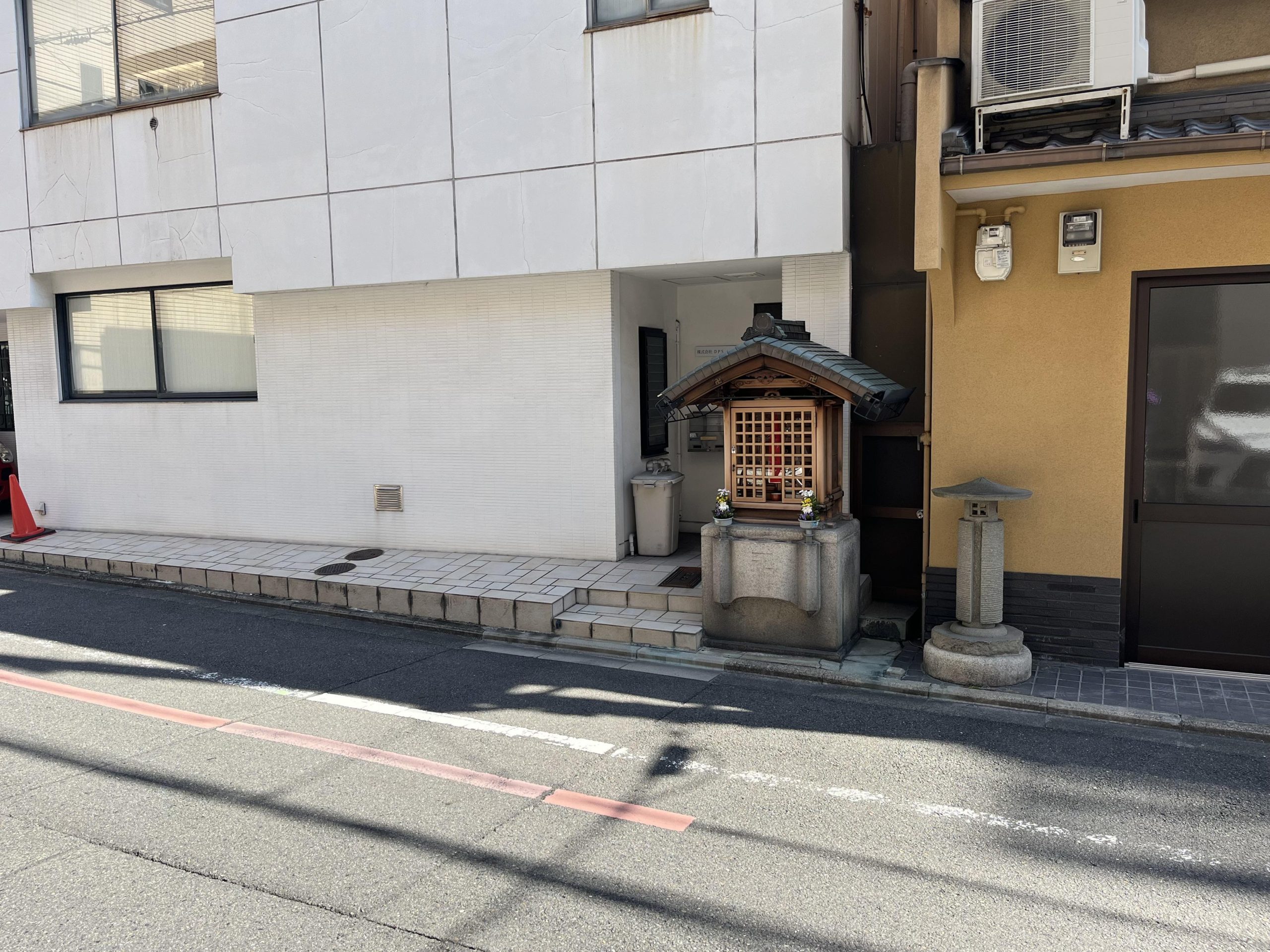
Kyoto has temples the size of country clubs, the size of shipping containers, and the size of phone booths. They can appear anywhere: between houses, on street corners, next to vending machines (more on that in a bit). At least to my western eye, each of them is beautiful, with woodwork, tile roofs, and a sense of purpose that brings visual intrigue to the city and spiritual fulfillment to believers.
Mixed Mixed Mixed Use
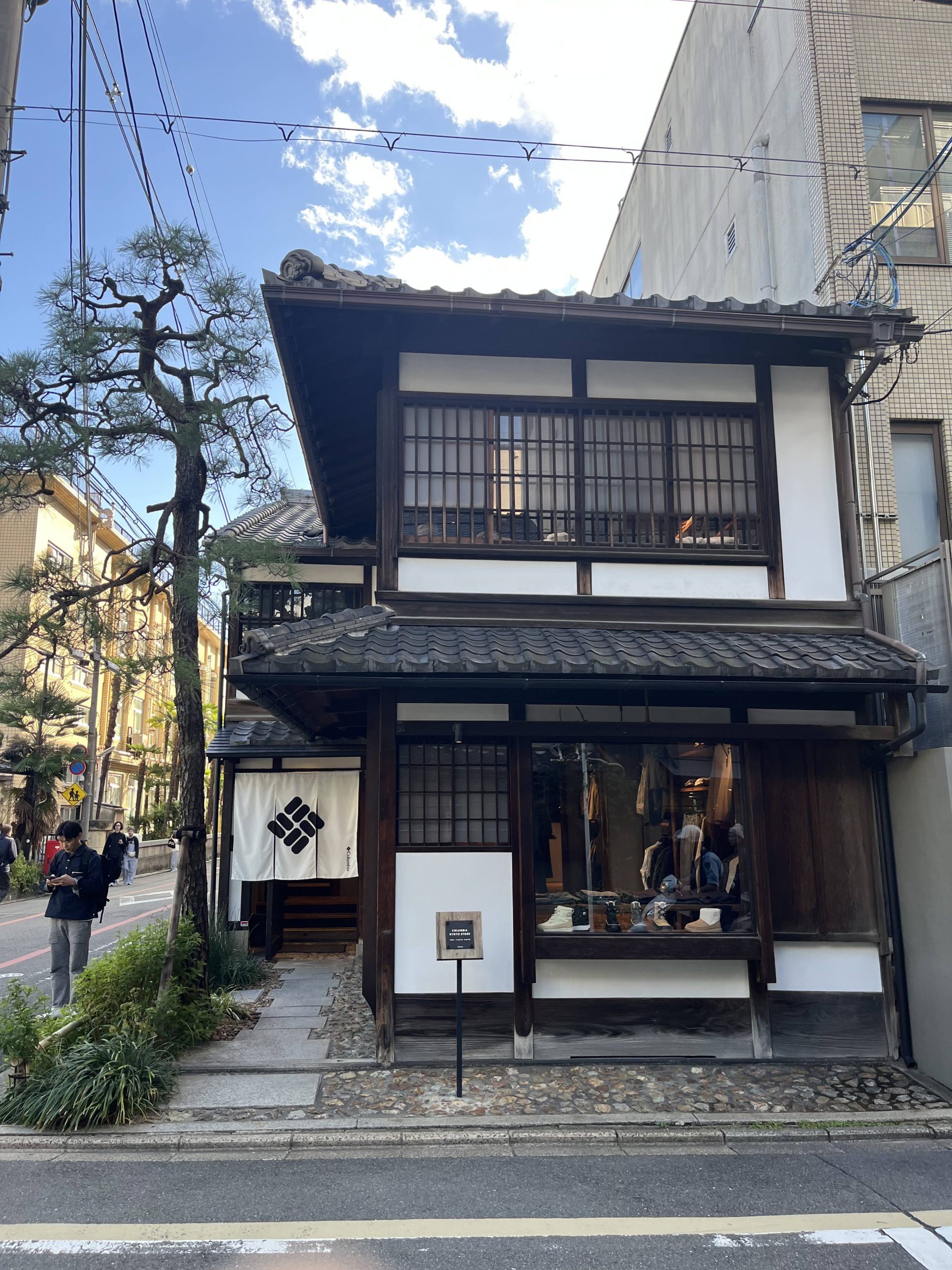
In American cities, “mixed use” means a behemoth 5-over-1 podium building with empty storefronts begging for, at best, a Subway or a FedEx store. Almost everything in central Kyoto looks like a house. This doesn’t mean it is a house. It could be a restaurant, or a shop, or an office. It could be a house with a shop next to a restaurant with a house. This is mixed use.
Vending Machines
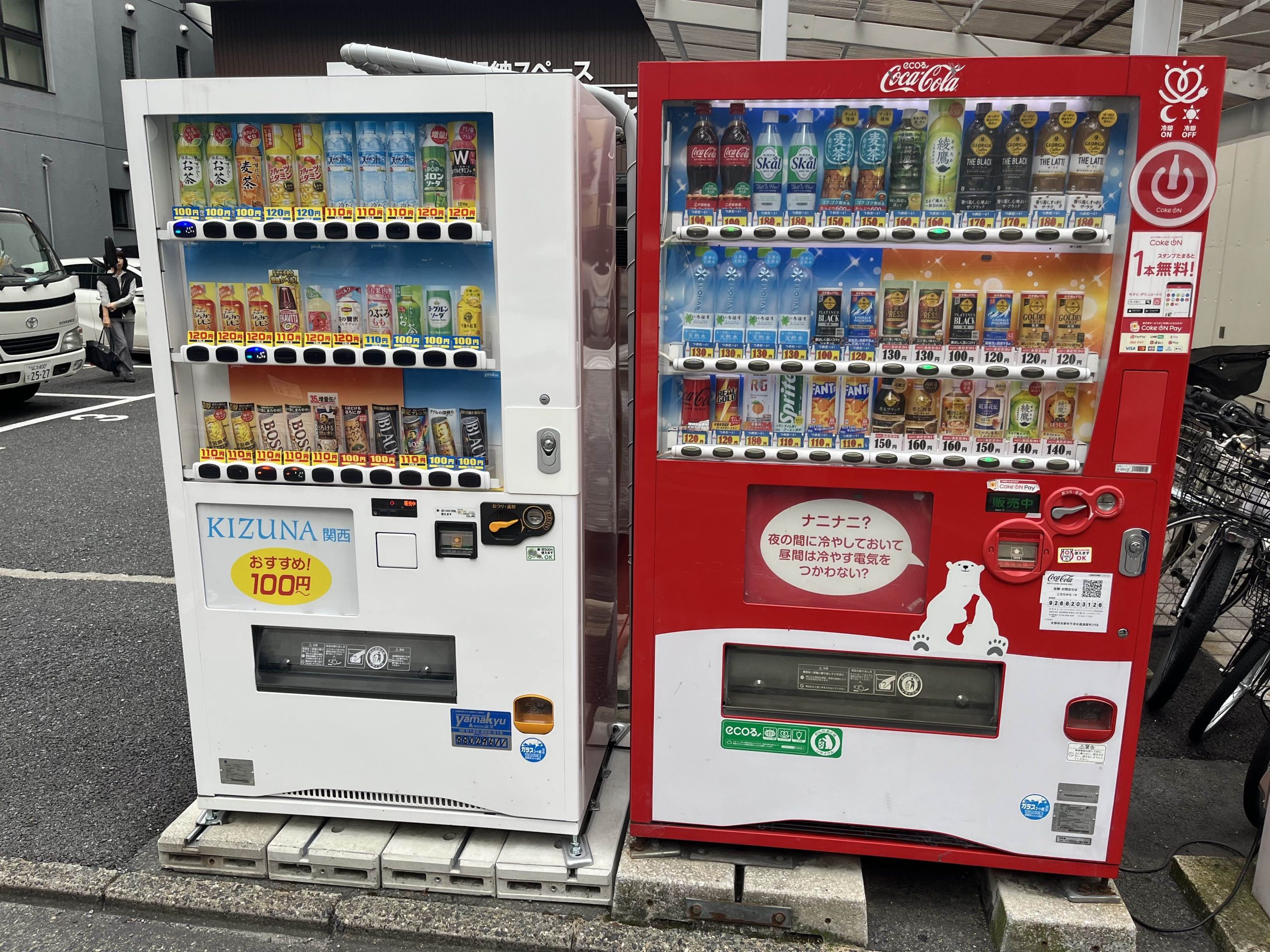
Vending machines are ubiquitous in Japan. They are on major streets and in back alleys. They are in front of malls and in front of houses. They sell coffee drinks, energy drinks, and that bitter cold tea endorsed by Shohei Otani. Sometimes, they sell ice cream.
These machines are by no means attractive. They are ordinary, refrigerator-sized boxes. And yet they contribute handsomely to the public realm. Vending machines exist to serve pedestrians. The chance to grab a coffee at the end of a block creates a sense of delight that just a walk sign and lamppost cannot. They signal that the street is indeed the public realm. Streets are not just infrastructure—they are places. Places where a $1.50 iced latte is never more than a few steps away.
Tome-ishi
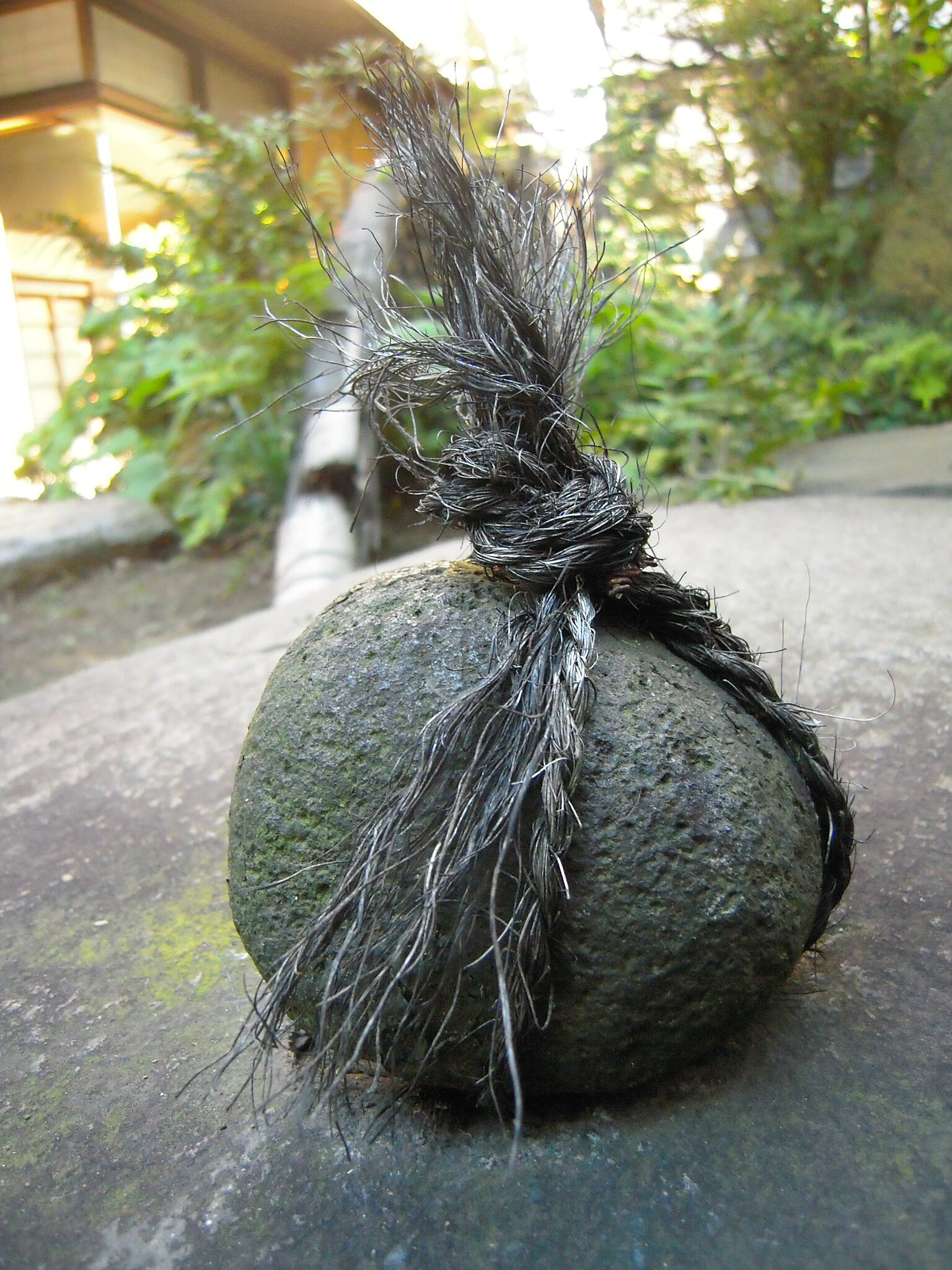
I will end with the most quietly placid of all my discoveries in Japan: tome-ishi, the stopping stone.
If you don’t want someone to go somewhere, you don’t always have to build a wall, lock a door, mount a surveillance camera, put up a sign for danger, peligro, or achtung, or demand to see someone’s papers. You can use a stone—one maybe the size of a softball or a grapefruit—that has a piece of rope wrapped around its waist and meridians, tied off at the top.
It is serene, polite, and nonconfrontational. It doesn’t say “get out” or “f–k off” or “security by Smith & Wesson.” It says, “We like you and we see you, but we can’t invite you into this particular place. Have a pleasant day.” It establishes a mutually respectful compact between parties—a request to be honored rather than a demand to be enforced. It’s a quiet form of communication and a lovely collaboration between nature, artifice, and humanity.
Turning Japanese
American cities cannot rebuild themselves in the model of Japanese cities any more than American culture can adopt the Japanese customs and values. Nor should they. But, Japan—a large, prosperous, modern society that does things very differently than we do—starkly illustrates that American urbanism is not the only way to live. We can, and should, try to learn at least a few lessons from our neighbors to the east, one stone, vending machine, and baby elephant at a time.
All photos by the author, except where noted.