
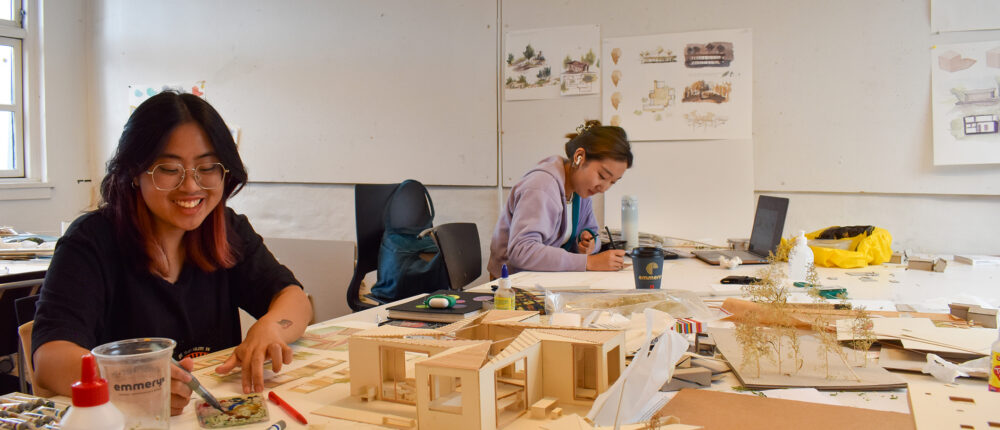
School’s in Session: What’s on Students’ Minds?
Architecture programs across the country are back in session, so what are students challenged with as the new academic year gets underway? I had a chance to sit down with Patricia Negrón Meléndez, a graduate architecture student at New Orleans’ Tulane University who is also vice president of the American Institute of Architecture Students (AIAS) and a student director of the Association of Collegiate Schools of Architecture (ACSA), as well as a former National Organization of Minority Architects (NOMA) liaison, to learn what tests her constituents most, and what motivates them as future architects. This interview is adapted from the upcoming issue of the Journal of Architectural Education (which I co-edited), to be published this fall.
MJC: Michael J. Crosbie
PNM: Patricia Negrón Meléndez
In your work as a national architecture student representative, you must hear a lot about the professional and societal challenges of studying architecture. What seems uppermost in the minds of students right now? What are they most concerned about regarding architecture’s future?
One of the biggest concerns has been architectural education becoming less accessible, especially for minority students. The cost of it continues to rise. Many students struggle just to understand how to fund their studies. Also, the current bill that designates architecture as no longer a professional degree by the U.S. Department of Education will impact financial aid. Navigating the financial burden, the realities of how studio actually works, working while in school, preparing for the future, and taking care of themselves, is a lot for students. Accessibility is the biggest thing because if students can’t afford it, they can’t get into the profession. I’ve heard this from not only current students, but also high school students who don’t really understand how to navigate financial decisions. It’s a scary time, because we don’t always understand what’s going on.
Anything just in terms of being a professional architect that students are concerned about, in terms of getting into the profession and practicing?
What worries them is making sure that there’s space for them: places they want to be in, to grow in, and not just positions they might be stuck in. Everybody is trying to get a job after school, everybody wants an internship, places that they feel welcome.
What are the core values of your constituents regarding their architectural education? Are educators giving students what they really need in terms of responding to their core values? Are educators and schools aligned, or is there a mismatch between what students value and what education is delivering?
This is a very important question. Every time I have conversations with students, we all agree that we need to learn how to think critically, creatively, and how to solve complex problems: think big and imagine future possibilities. But I think some things that should be emphasized more are equity and the power of design. Sometimes we focus on big ideas, but not enough on who these ideas will affect. Everything you design is going to actively affect somebody. That’s something that we should be taught from the start; from the moment we step into architecture school we should be taught that what you design has power. It shapes communities; it can shape policy and the environment. Sustainability is talked about a lot, but always in terms of the environment. Many students want to see more attention given to social sustainability, justice, and equity as much as the environment. They all go together to make a better world. Who gets to live in this space, who has access to it, and how as architects do we have the power to shape it? I think many schools are beginning to engage with these ideas, but some students feel like there’s still a gap between those values and what’s actually prioritized within the curriculum. Find ways to think big, about how a building goes together, but also recognize that architecture is about serving people, serving the environment.
You’re talking about human engagement with architecture: who benefits from that engagement and who doesn’t. That’s part of sustainability, too.
I’m from Puerto Rico, so a lot of focus is on resiliency, because of hurricanes and other natural disasters. How do I view resiliency? The first thing is always people, because at the end of the day, if we’re all together we’re able to be resilient together. Communities need a strong connection between each other and that’s what we’re missing. Often within the curriculum there’s not that connection of the broader good or the broader community—that we’re serving people rather than just creating an environment.
How might architectural education respond to such challenges? As a student, especially, how does one have agency in your own education: dealing with curriculum, the viewpoints of different professors, that sort of thing? How do you exert your power?
The biggest thing is communication and transparency. Every time I’ve been able to explore the kind of architecture that I want to do, whether it’s with equity or justice, it’s been because I’ve been transparent with my professor about what I’m really interested in. Within the studio project, how can I achieve this? How can I start to think this way? The reality was that I didn’t feel that comfortable with a professor until probably a few quarters ago. Something that I hear from students all the time is that they often don’t feel comfortable talking to their professors. They don’t feel like they can always say what they think. We’re asked: What’s your opinion? What do you really think about these things? But sometimes we can’t say what we actually think because there’s a hierarchy there, you don’t want to have a bad relationship with your professor, or you don’t know how they’re going to react. You don’t know this person on a personal level, like you know your friends in studio, who you can tell what you think. It comes from the studio culture that we have right now. It’s not sustainable, because students are often required to be in studio all the time.
The reality is that we cannot do that, especially minority students, because a lot of us have to work to be able to support ourselves. It’s hard to do that when the culture or the professor doesn’t welcome it—it’s a hard conversation to have. Something I didn’t really think about when I was going into architecture school was: Who is going to teach me? I think that’s something so important now, as I try to figure out where to go to grad school. Who teaches you has a strong influence on you. Will your values align? They don’t always have to align, but you should at least feel comfortable, knowing that you can speak in that space and won’t be negatively affected by it later on.
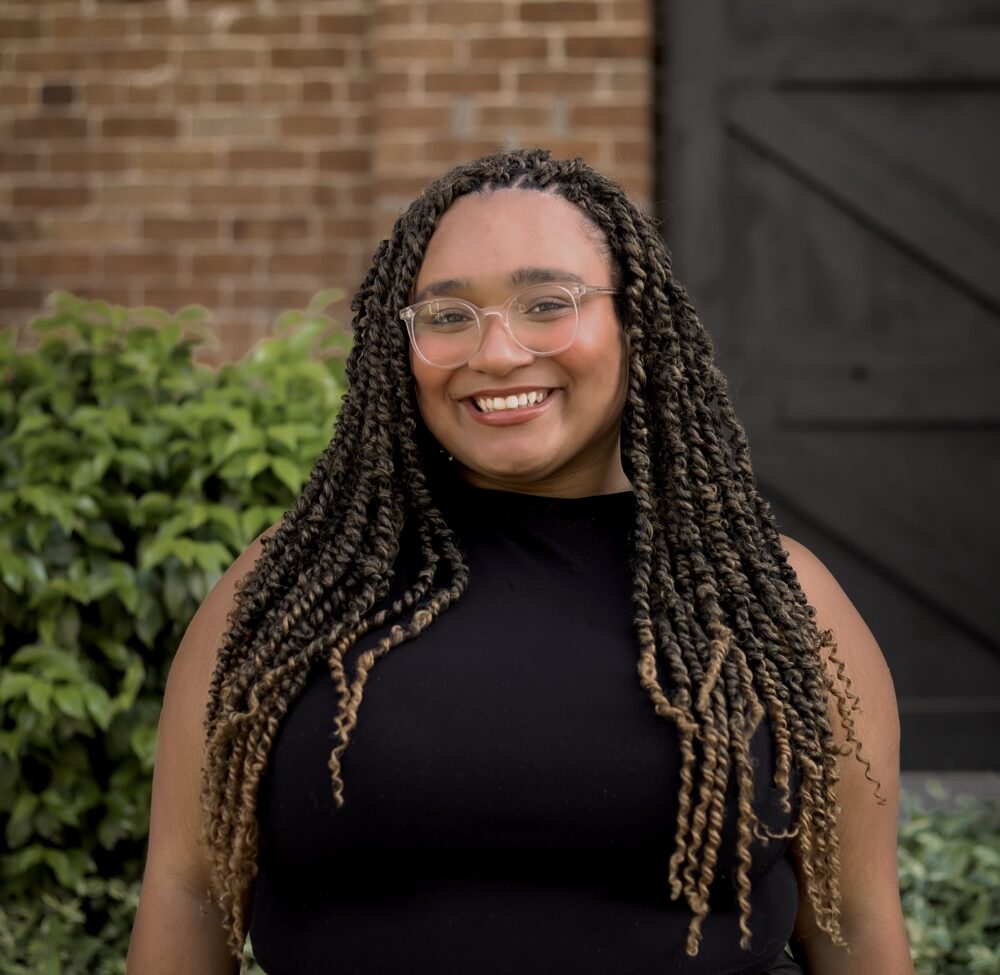
What kinds of conversations are you having with members of AIAS and the National Organization of Minority Architecture Students [NOMAS] regarding their place in a profession that doesn’t reflect the diversity of the U.S.? What are some of their concerns, and how might AIAS and architectural education make a difference?
Every time I have a conversation with students, it always leads back to belonging, representation, and access. Students want to know that there’s a space for them in the profession, that their perspectives matter. But also,making sure that they feel there’s a space for them in academia. A lot of students that I meet don’t really want to design, they want to teach. But they don’t see themselves in the academic world because there’s not a lot of representation there. I think we’ve done a lot to get representation in the profession, although there’s still so much work to do there. But there’s also so much work to do within our faculty, making sure that students want to come back to teach what they’ve learned through their experiences as a minority. Our experiences are so different from other people. When you’re a professor you’re able to speak like that, to create a stronger pipeline into the profession and into academia because students see themselves in you, which is very important.
As I’ve progressed in my architecture education, I’ve noticed that representation doesn’t only matter in practice. It matters in who is shaping our education as future architects. These people can serve as role models, able to speak on what their life experiences are and how that ties to you. I have had great professors, but they’re all white or male. They can’t help me when I ask: How am I going to get into the profession? How am I going to be welcome? They don’t know because they’re not Black, Latina, or they’re not women. That’s the beauty of organizations like NOMAS and AIAS: I can see myself in almost every single person who is in the room, and I’m able to have these conversations. So, making sure that we have representation across the board—not just in practice—is very important.
What issues do you believe architectural education is not paying enough attention to, such as AI and design, or architecture’s environmental impact, or who architecture should best serve? How can architecture students teach their teachers about their concerns, about practicing architecture in the future?
A very important question, especially with all the things we’re living through right now. As an architecture student, I think sometimes we might feel as though we’re in a bubble separate from the broader conversations regarding social, political, and economic realities that shape the communities we design for. In studio we might be tasked to think about the housing crisis, but we don’t critically talk about the housing crisis, how we got into it, and who it affects. We don’t open dialogue on how we feel or how this affects architecture. I don’t think we even spoke about the recent changes in the Department of Education. It’s so important, and many students have told me they just don’t know who to talk to. In some schools you can’t talk about what’s going on or what’s affecting you. If we look at what’s happening around the world, talk about it, and support each other, I think students might feel more connected and might feel better equipped to talk to professors about it. I don’t think we always need to have a solution to problems.
Sometimes the biggest thing is just listening and communicating. Architecture cannot always change the world, but what if we could? That’s where the best ideas come from: dialogue and having open, transparent communication. My favorite studios have been those where we not only talk to the professor a lot, but all of one’s peers, engaged in conversations. In architectural education we should emphasize that we’re stronger together, to design better together. When you get into practice, it’s all collaborative work—everything you do is with somebody else. You talk things through. If we’re taught that in studio, then we become better professionals, and we become better equipped to join that kind of world.
What do you think scares architecture students most, especially among those on the verge of graduating and seeking to make their contributions as aspiring architects? And what can architectural education do to meet the challenges faced by newly minted architects-to-be?
The biggest thing that worries students is if they’re prepared to enter the profession. Sometimes we think architecture school needs to prepare us for everything and that we should be graduating and ready to be architects, but that’s not the case. You learn through doing, and that’s what the profession—and practice—is for. I also think they’re scared of the culture they might be getting into. When I had my first internship, it was a bit of a culture shock because I went from studio—which is so demanding with long hours and critiques that can be emotionally difficult—to a practice not like that. It’s more flexible. I get to come in at 9 and leave at 5 if I want to. That doesn’t happen in architecture school.
I think students are a bit scared because they might think that the studio culture will follow them into practice. And you don’t want to live like that your entire life. It always ties back to studio culture and how we address that. We all know it’s an issue, but it’s often brushed off as, “It’s just part of architecture school.” That’s just not sustainable. If we want students to stay in the profession and in architecture school, we must rethink the way we educate and support them.
Creating healthier studio environments and acknowledging the reality students face would make a significant difference. It ties back to making sure that you are mentally, physically, and emotionally healthy, and I think that starts through architectural education, making sure that it is a healthy environment. One semester I had a professor that did not give us assignments over the weekend. We were in shock. What do we do with our weekends? It’s little things like that that make a huge difference because that created a shift in all my friends. They were doing other things like taking a ceramics class or going to yoga or going to the park—things that actually benefit them. And at the end of the studio, they were not miserable. They were actually happy to be there. It’s a life balance that’s important.
Among your constituents, you’ve spoken about many of their frustrations and how they might be addressed. But what are their greatest joys? And how can schools best prepare students for the world they see on the horizon?
Students love architecture; they love the possibilities of architecture. We love the fact that there are so many different avenues within architecture that you can pursue. You can start in one place and end in a completely different place. That’s the beauty of it. I think the fact that this can affect people, the environment, and so many other things is wonderful. That’s why students stay. The idea of changing someone’s life is so powerful. Maybe you won’t change the world, but changing one person’s life, or changing one single ecosystem—that’s amazing. Once we’re in practice, with deadlines and so forth, we forget that architecture has the potential to change someone’s life—hopefully positively. That’s the greatest joy of architecture. Another thing that’s a joy, even though studio can be very unhealthy, is that it can be the greatest support that students have. I don’t think I would have survived if it hadn’t been for my peers. You meet so many wonderful peers that truly know what you’re going through, and they are all there for each other rather than secluding themselves. I think that’s a beautiful thing in architecture: it brings people together no matter their stage in life or whether you’re actively practicing or not. Architecture has the power to bring people together and create a beautiful community. I think that’s why students stay in architecture school: those ties are stronger than any of the hardships we go through.
Architecture school should teach us how to be transparent, how to communicate, and that no matter how young we may be or wherever we are in our lives, our perspective always matters. We need to make sure that we listen to those perspectives and that we encourage others. I think that’s how we better prepare students, because at the end of the day, when you go into practice it’s important to contribute your perspective. There might not always be representation where you go, and you might have to be the person that has to say what nobody wants to hear. You might have to be the person who says, “Actually, I would never feel safe in that space.” But you won’t be prepared to be that person if you’re not taught to be that person in architecture school. If we empower students as advocates for change, with all the necessary skills to make change, that’s what’s going to make better architects—and better architecture.
Featured image via DIS Study Abroad.