
The Coming Redesign of Ruben Salazar Park
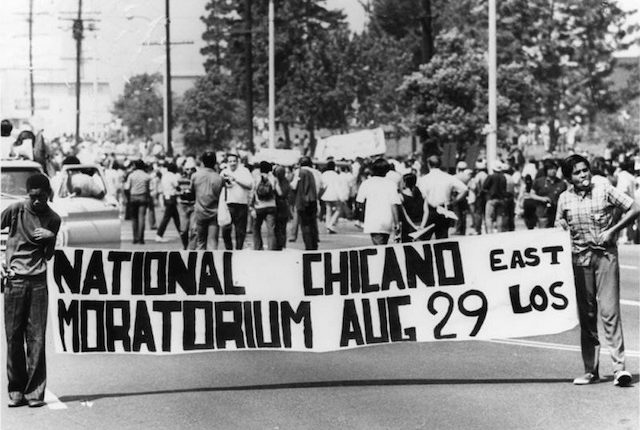
Ruben Salazar Park—formerly Laguna Park—in East Los Angeles is one of the most emotionally charged Latino landscapes in the U.S., marked most powerfully on Saturday, August 29, 1970, at the end of the 3.5-mile Chicano Moratorium march.
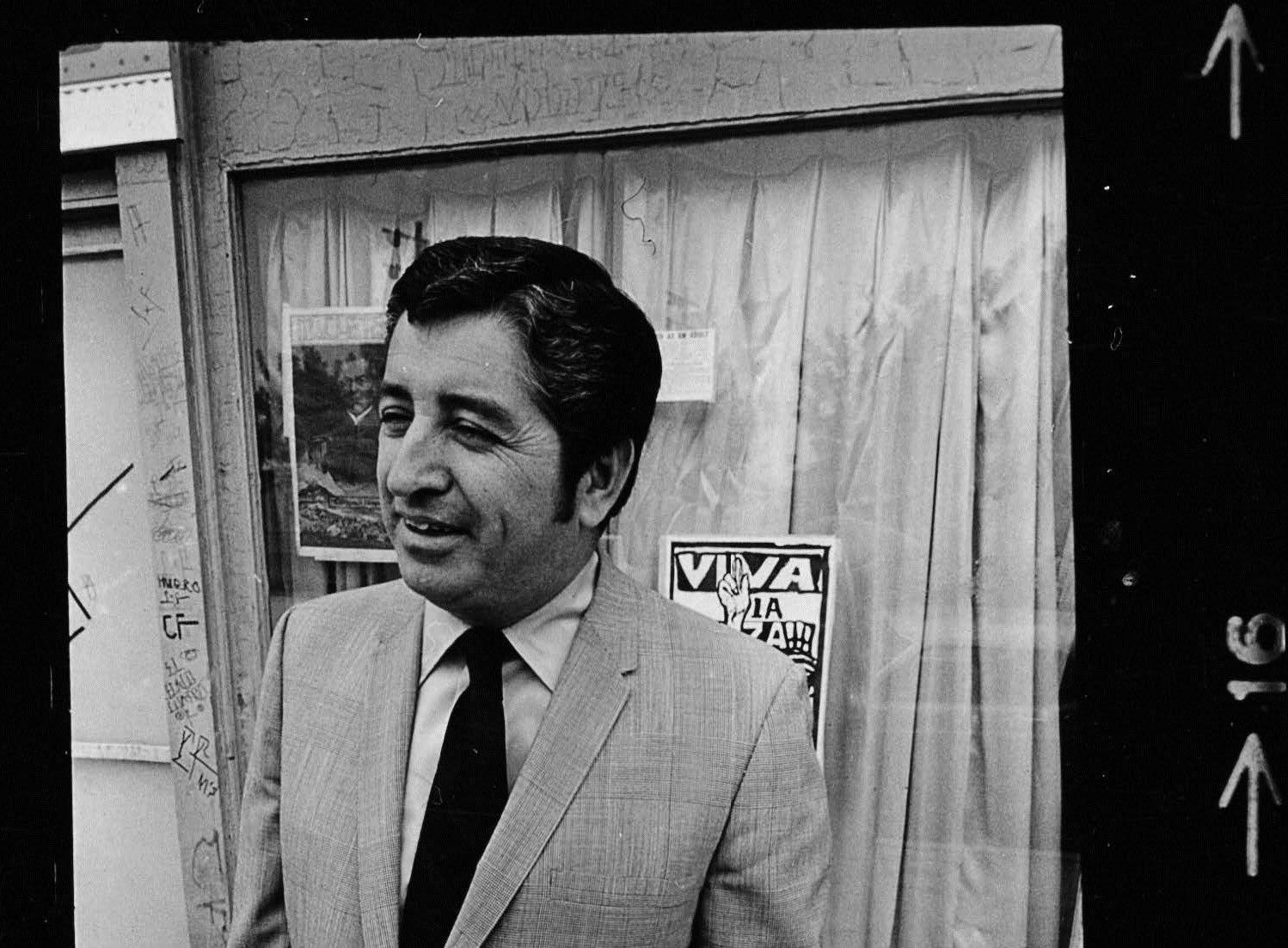
That day, more than 20,000 people—primarily Chicanos from L.A., but also from across the Southwest—participated in one of the largest Mexican American anti-war demonstrations ever. They were angry that Chicanos were dying at twice the rate of any other U.S. ethnic group in Vietnam. They were also protesting disparities in public education, systematic exclusion from higher education, police brutality, and high unemployment rates among Mexican Americans. The peaceful demonstration erupted in violence as Los Angeles County Sheriff officers arrived at Laguna Park, shooting tear-gas canisters into the crowd, beating protestors, and killing three individuals, including Los Angeles Times journalist and civil rights activist Rubén Salazar. The park was later renamed as a memorial to him and to that day.
The event did not occur in isolation, but rather unfolded within a much longer timeline of displacement, violence, and struggle experienced by Chicano and Mexican American families. Long before 1970, the community had already been repeatedly uprooted by the redevelopment of Bunker Hill, the clearing of Chávez Ravine for the Los Angeles Dodgers stadium, industrial expansion along the Los Angeles River, the Watts Uprising, and the construction of multiple freeways through Boyle Heights and East Los Angeles. These interventions displaced countless Mexican American families, often leaving them with little recourse and deeply disempowered. “¡Ya basta!” (“Enough!”)
That August Saturday marked a watershed moment for the Mexican American community nationwide, and particularly in East Los Angeles. It was both a political awakening and a profound tragedy, Stonewall and 9/11 rolled into a single moment, shaping identity, activism, and collective memory for progressive Chicano generations, including my own.
For these reasons, the upcoming redesign of Ruben Salazar Park by Los Angeles County Parks and Recreation cannot be taken lightly. As someone who grew up in an East L.A. neighborhood during this period, and as a scholar of the Latino built environment, I believe the fundamental question is this: Do we design the park based on the written history of that day, or from the hundreds of stories people still carry with them?
History on the page organizes, edits, and creates a timeline; it tries to make the past legible and remembers the heroes. History as lived experience is messier: emotional, sensorial, and often contradictory. It is remembered through stories: where someone stood, what they felt, what they saw, what they lost, what they fought for. These memories are not always neat, but they carry a texture and humanity that formal history frequently omits. The page gives us structure; the people give us meaning. The tension between the two is where the truth actually lives, and where the baseline for the park’s redesign must begin.
Out of curiosity, I’ve been asking family members and community elders a simple question: Where were you during the Chicano Moratorium? Their responses have been immediate, personal, and deeply honest. No one was untouched by that day. Each person carries a sense of accountability: where they were, what they did, or why they chose not to participate.
One cousin said she was pregnant and had a toddler in tow, but that this didn’t stop her from throwing rocks at the cops. A 9-year-old girl had been rescued by her father, who was LAPD. A family friend remembered attending with her brother, who had just bought a new car and parked far from the park because he didn’t want it scratched. My parents went to the Aquarius Theatre in Hollywood to see Hair. One aunt simply said she wasn’t political back then, so she didn’t attend.
I was a kid, playing on Hendricks Street off Whittier Boulevard, when I heard fire trucks and police sirens tearing past. I was tempted to jump on my banana-seat Schwinn and race toward the noise, but I knew I’d get in trouble either from my parents or from the cops.
It was the aftermath of that day that I truly lived with, as Chicano pride reshaped the built environment and gave rise to a lasting Chicano urban design legacy. After 1970, I witnessed—and have since spent years documenting—the wave of Chicano pride that swept across the Eastside, expressed through a remarkable range of urban design interventions led by architects, artists, and community builders.
A kind of Chicano utopia took shape through projects such as El Mercado, the Roybal Health Clinic, the East Los Angeles Civic Center, and many other developments. Design became a powerful tool for identity, resilience, and cultural visibility, transforming everyday spaces into expressions of collective pride and self-determination.
Design Opportunity
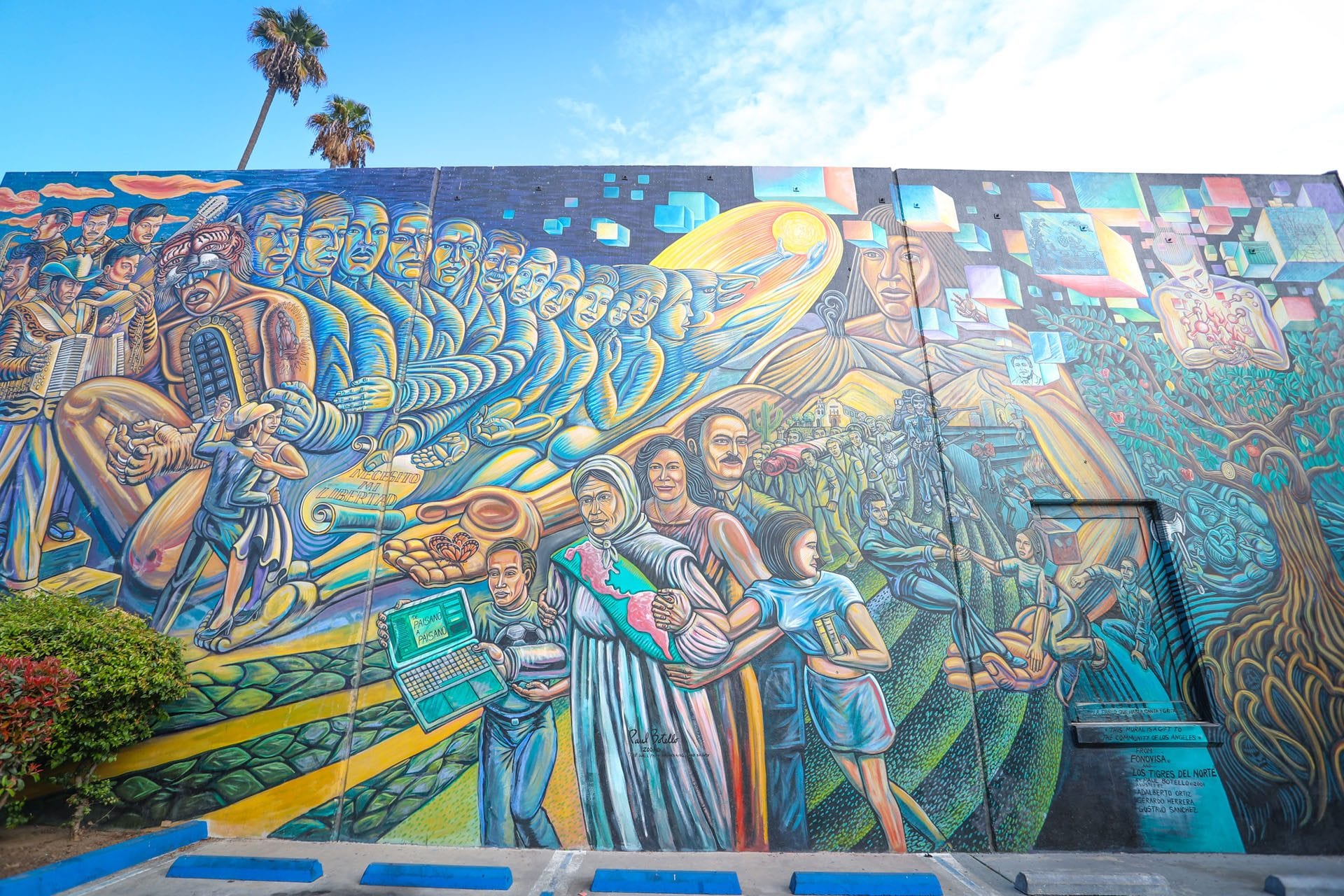
Like a battlefield long after the fighting has ended, Ruben Salazar Park remains largely untouched, aside from Paul Botello’s mural, The Wall That Speaks, Sings and Shouts. There are very few physical markers that anchor the intense emotions of that moment, when the space shifted abruptly from a festive family gathering to chaos and confusion. Yet the park’s lawns, paths, and buildings still hold these memories.
Because the Chicano Moratorium took place more than 50 years ago, park designers have a rare opportunity to invite participants back to the “battlefield” and listen to their stories through what the landscape itself reveals. What does this space communicate half a century later about vulnerability, safety, fear, and resilience? How might design help reveal, hold, and ultimately heal those powerful emotions through sensory-based experiences?
Bringing people back to the park and allowing them to revisit the place through memory would be deeply meaningful. Their stories are not separate from the landscape; they are part of it. Honoring those lived experiences would add profound depth, authenticity, and emotional resonance to the redesign of Ruben Salazar Park and truly honor the legacy of this great man.
Featured image: Chicano Moratorium, via L.A. Conservancy.